
Tea and coffee have long been two of the world’s favorite beverages, each with a passionate following. Both offer unique flavors, aromas, and experiences, but when it comes to health, which one reigns supreme? Also, many of us are curious to get an answer to the question, “Does Tea Have Caffeine”? In this comprehensive guide, we’ll delve into the research and debate surrounding tea versus coffee to help you make an informed decision about which beverage is best for you.
Disclaimer: This post may contain affiliate links that may earn some commission for us without any extra cost to you. Kindly read “Affiliate Disclosure” for details.
Understanding Tea

Tea, derived from the Camellia sinensis plant, comes in various forms, including black, green, white, and oolong. Each type undergoes different levels of oxidation and processing, resulting in distinct flavors and properties. Tea has been revered for its potential health benefits for centuries, thanks to its rich antioxidant content, particularly catechins and flavonoids. Green tea, “matcha” in particular, has garnered attention for its role in promoting heart health, aiding in weight loss, and even potentially reducing the risk of certain cancers.
Does Tea Have Caffeine?
Yes, Tea contains caffeine, although the amount may vary depending on certain factors such as the type of tea, brewing method, and serving size. Although tea from the Camellia sinensis plant, including black, green, white, and oolong tea, contains caffeine, the caffeine content in tea is typically lower than that of coffee.
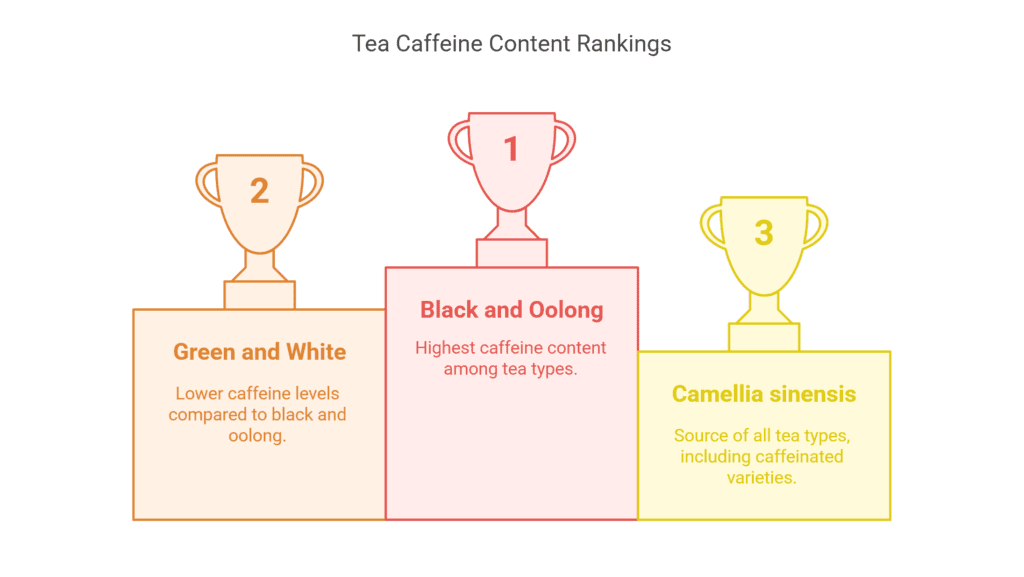
Green and white teas, generally, have lower levels of caffeine as compared to black and oolong teas. In addition to the natural caffeine content, factors such as the brewing time and water temperature can affect the caffeine content of tea. While tea provides a more moderate caffeine boost compared to coffee, it still offers an energizing effect for many individuals.
Overall, while tea does contain caffeine, it is often consumed for its other health-promoting properties, such as its high antioxidant content, potential benefits for heart health, and its calming effect due to the presence of compounds like L-theanine. As such, tea remains a popular choice for those seeking a milder caffeine option with additional health benefits.
caffeine
Caffeine, recognized as the world’s favorite stimulant, is a prevalent ingredient in numerous beverages, tea being one of them. It is a psychostimulant that is widely used to enhance alertness and improve performance; however, if consumed in excess can be detrimental to the health.
Coffee: A Beverage with a Buzz
Coffee, made from roasted coffee beans, is beloved worldwide for its rich, bold flavor and stimulating effects. The primary active ingredient in coffee is caffeine, a natural stimulant known for its ability to enhance alertness and concentration. Beyond its energizing properties, coffee contains several beneficial compounds, including chlorogenic acids, which have antioxidant and anti-inflammatory effects. Studies suggest that moderate coffee consumption may lower the risk of certain diseases, such as Parkinson’s disease, Alzheimer’s disease, and type 2 diabetes in addition to helping you lose weight.
infographic: caffeine content in tea vs coffee

Comparing Health Benefits: Tea Vs Coffee

When it comes to health benefits, both tea and coffee offer unique advantages. Although there can be several benefits of both tea and coffee, undermentioned are some prominent ones:
1. Antioxidant Power: Both tea and coffee are rich in antioxidants, which help combat oxidative stress and inflammation in the body. While tea boasts high levels of catechins and flavonoids, coffee contains chlorogenic acids and other polyphenols. Incorporating either beverage into your daily routine can contribute to overall health and well-being.
2. Heart Health: Research suggests that both tea and coffee may offer protective effects against heart disease. Green tea, in particular, has been linked to lower LDL cholesterol levels and improved blood vessel function. Similarly, moderate coffee consumption has been associated with a reduced risk of heart failure and stroke.
3. Brain Health: The caffeine in coffee is renowned for its stimulating effects on the brain, enhancing cognitive function and mental alertness. Some studies suggest that coffee may also lower the risk of neurodegenerative diseases, such as Alzheimer’s and Parkinson’s. On the other hand, certain compounds in tea, such as L-theanine, may promote relaxation and stress reduction, leading to improved focus and mental clarity.
4. Weight Management: Both tea and coffee have been touted for their potential role in weight management. Green tea extract, in particular, has been studied for its ability to increase metabolism and promote fat oxidation. Similarly, caffeine found in coffee has been shown to boost metabolic rate and suppress appetite, aiding in weight loss efforts.

Alternative caffeine-free options for those who want to avoid both tea and coffee.
For individuals looking to reduce caffeine intake or avoid both tea and coffee, there are several caffeine-free alternatives available. Herbal teas, such as chamomile, peppermint, or rooibos, offer flavorful options without caffeine. Additionally, decaffeinated coffee and chicory root-based beverages are popular choices for those seeking a coffee substitute.




The Verdict
In the debate between tea and coffee, there is no clear winner. Both beverages offer a range of health benefits, from antioxidant protection to improved brain function and weight management. Ultimately, the best choice comes down to personal preference, tolerance to caffeine, and individual health goals.
For those seeking a milder caffeine boost and a calming ritual, tea may be the preferred option. Green tea, in particular, offers a potent dose of antioxidants without the anxiousness often associated with coffee due to its high caffeine content as compared to tea.
On the other hand, coffee enthusiasts may appreciate the bold flavor and immediate energy boost provided by their favorite brew. With its higher caffeine content, coffee can be a valuable ally for those needing a quick pick-me-up or mental boost.

Key Point: Regardless of your beverage of choice, moderation is the key. Consuming excessive amounts of caffeine can lead to adverse effects, including jitteriness, insomnia, and increased heart rate. Aim for no more than 400 milligrams of caffeine per day, roughly equivalent to 2-3 cups of coffee or 4-5 cups of tea.
Conclusion
In conclusion, whether you’re a tea lover or a Coffee Connoisseur, both beverages have their rightful place in a healthy lifestyle. By incorporating a variety of teas and coffees into your routine, you can enjoy a diverse array of flavors and reap the numerous health benefits each has to offer. So go ahead, pour yourself a cup of your favorite brew, and savor every sip knowing that you’re nourishing both body and soul. Cheers to good health!
Medical Disclaimer: One should consult his/her dietician or a certified medical practitioner before incorporating any new food items – caffeinated drinks specifically, into the diet.
FAQs
Are there any specific health risks associated with consuming too much tea or coffee?
While moderate consumption of tea and coffee is generally considered safe for most people, excessive intake can lead to potential health risks. These may include increased heart rate, digestive issues, insomnia, and potential negative effects on bone health. It’s important to consume these beverages in moderation and be mindful of individual tolerance levels.
How does the caffeine content in tea and coffee compare to energy drinks and soda?
Tea and coffee are natural sources of caffeine, while energy drinks and soda often contain added caffeine, along with sugar, and other additives. Generally, the caffeine content in tea and coffee is lower than in energy drinks, which can have much higher concentrations of caffeine per serving. Soda typically contains less caffeine than tea or coffee but varies depending on the brand and type.
What role does caffeine sensitivity play in choosing between tea and coffee?
Sensitivity towards Caffeine varies among individuals. Some people may be more sensitive to the effects of Caffeine in comparison to others. For those who are more sensitive to caffeine or experience adverse effects such as jitteriness or insomnia, opting for tea with lower caffeine content may be preferable to coffee. Experimenting with different types and brewing methods can help find the right balance.
How do the environmental impacts of tea and coffee production compare?
The environmental impact of tea and coffee production varies depending on factors such as cultivation practices, harvesting methods, and processing techniques. While both industries face challenges such as deforestation, pesticide use, and water consumption, efforts are being made to promote sustainable practices and fair trade initiatives in tea and coffee production to mitigate environmental and social impacts. Related post: Discover Coffee Varieties
References