“Perfumes are not just scents; they are the silent storytellers of our lives, weaving memories, expressing emotions, and leaving an indelible trace of elegance in every moment.”
The world of perfumes is a complex ballet of sounds that enthralls and defines times like a sensory symphony. We explore the science and art of perfumery in this investigation, uncovering the fascinating details that make each fragrance a unique olfactory masterpiece.
What is a Perfume?
A perfume is a skillfully blended mixture of aromatic components – essential oils, aroma compounds, fixatives and solvents, each of which adds to a unique and lasting aroma. These liquid components—called notes—unfold gradually, forming layers that evolve on the skin. The blend of top, middle, and base notes creates a scent that is more than just a smell; it’s an experience. Further, perfumes can be categorized into four scent categories: floral/sweet, oriental/spicy, woody/earthy, and fresh.
What is the history of Perfumes?
The history of perfume dates back to ancient times. “Perfume” is derived from the Latin word “per fumus,” meaning “through smoke”, and Perfumery means “art of making perfumes”. It is believed that Perfumery existed in Indus Civilization, 3300 BCE – 1300 BCE. Also, evidences are available that World’s First recorded chemist is a woman, a perfume maker, in Mesopotamia, existed in 1200BCE. Her recorded techniques of using solvents are believed to have laid the foundation of extracting essential oils using solvents. Perfumery was further refined by the Romans, Persians and the Arabs. Evidently, the oldest perfumery was discovered on the island of Cyprus, where excavations in 2004-2005 under the initiative of an Italian archaeological team unearthed evidence of an enormous factory that existed 4,000 years ago during the Bronze Age.
What are some common Ingredients in Perfumes?
Fixatives, solvents, aroma compounds, and essential oils are a few common components found in perfumes. Natural oils, also known as essential oils, are derived from fruits, flowers, and plants. They are the most costly component used in the making of perfume that provides a fragrance to the perfume. Artificial substances, known as aroma compounds, imitate the aroma of natural components. Fixating agents are used to improve the fragrance’s longevity and stabilize it. Solvents are used to dissolve the essential oils & aromatic components and to dilute the fragrance. Other typical components of perfumes are aldehydes, vanilla, jasmine, amber, and ambergris.
How are Perfumes made?
The art of perfume-making is a blend of creativity and chemistry which involves a series of steps, including collecting natural ingredients, extracting oils from these sources, blending, aging, and quality control.
- Natural sources such as flowers, fruits, and spices are the primary sources of the ingredients required for perfume-making.
- Perfumers employ various extraction methods namely: solvent extraction, steam distillation, expression, enfleurage (a process that captures the fragrant volatile oils using odorless fats) or maceration to obtain essential oils from natural sources.
- These oils, along with synthetic compounds, are then skillfully blended to create a balanced and harmonious fragrance.
- This concoction is then aged for several weeks or sevaral months to allow the blending process finalise before achieving the desired results.
- Finally, the perfume undergoes quality control to ensure that it meets the standards/benchmark.
Difference between Essential Oils and Aroma Compounds
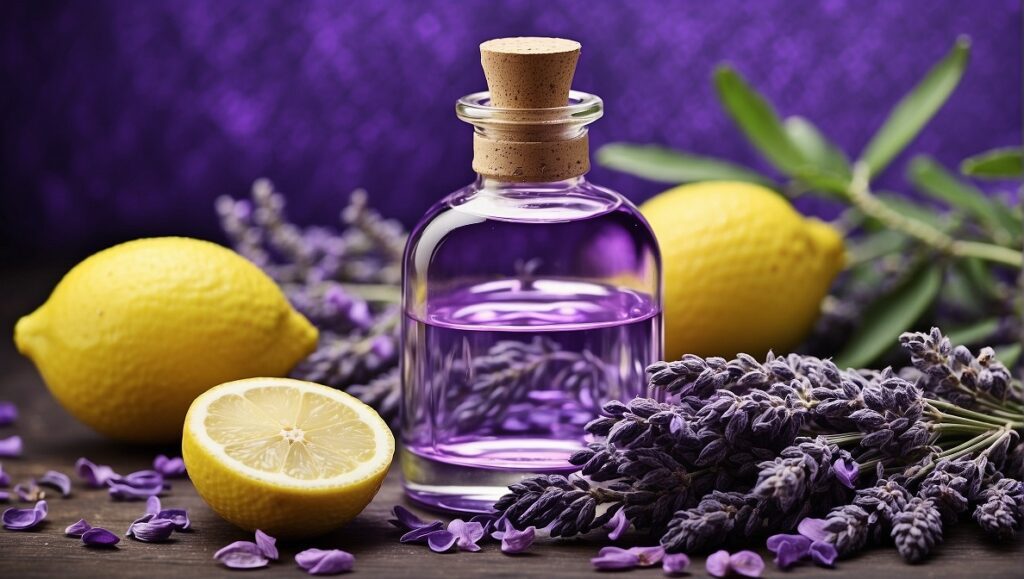
Natural oils called essential oils are taken from fruits, flowers, and plants. They provide a unique fragrance to the perfume and are the most expensive component used in the perfume-making process. On the other hand, aroma compounds are man-made/synthetic compounds that imitate the fragrance of the essential oils. Essential oils are extremely concentrated plant extracts that contains the “essence” of a plant’s aroma and beneficial properties. Conversely, aroma compounds are artificial fragrances made to resemble the natural aroma of plants and essential oils. While aroma oils are utilized for their pleasant scent, essential oils are used for their medicinal and aromatic effects.
Tips for Long-Lasting Fragrance
Ensuring your perfume lasts throughout the day involves more than just a simple spray. Factors like application techniques, pulse points, and even proper storage contribute to the longevity of the fragrance. By incorporating these tips, individuals can enhance their perfume-wearing experience.
FAQs
Can a Perfume expire?
Certainly, Perfume can expire, with manufacturers typically recommending discarding after one to three years. However, fragrances can last up to five years. Signs of expired perfume include changes in the top note’s odor and liquid color. While not harmful, the scent may not be as pleasant as fresh. To extend perfume shelf life, store it in a cool, dry place away from direct sunlight and heat.
How long do Perfumes last on the skin?
The longevity of a perfume varies, but on average, it can last anywhere from 3 to 12 hours. Factors such as concentration, skin type, and environmental conditions influence its staying power. For details, refer to our post – All Perfume Types: A Comprehensive Guide from Pure Perfume to Eau Fraiche.
Can I mix different perfumes?
Yes, blending different perfumes can create a unique scent. However, it’s essential to choose fragrances with complementary notes for a harmonious blend.
Are Natural Perfumes better than Synthetic ones?
Both natural and synthetic ingredients have their merits. Natural perfumes may appeal to those seeking organic options, while synthetic compounds offer a wide range of creative possibilities for perfumers.
How should I store my Perfumes?
Store perfumes in a cool, dark place away from direct sunlight and extreme temperatures, as extreme temperatures/sunlight tend to expell out the solvents/volatile essentials from the perfumes. This helps preserve the fragrance and prevents it from deteriorating.
Stay tuned for an aromatic journey! Our exploration into the world of perfumes and colognes has just begun. Keep in touch for upcoming posts filled with the latest insights, fragrance recommendations, and captivating stories that will continue to unfold the scented narrative. Your olfactory adventure awaits!