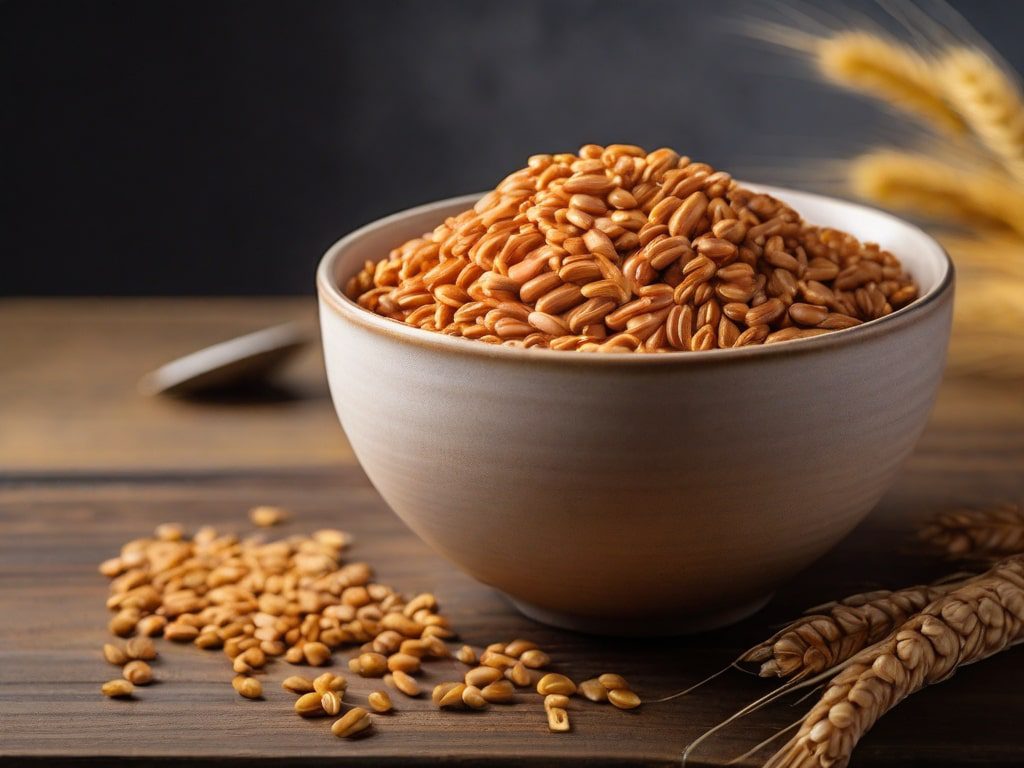
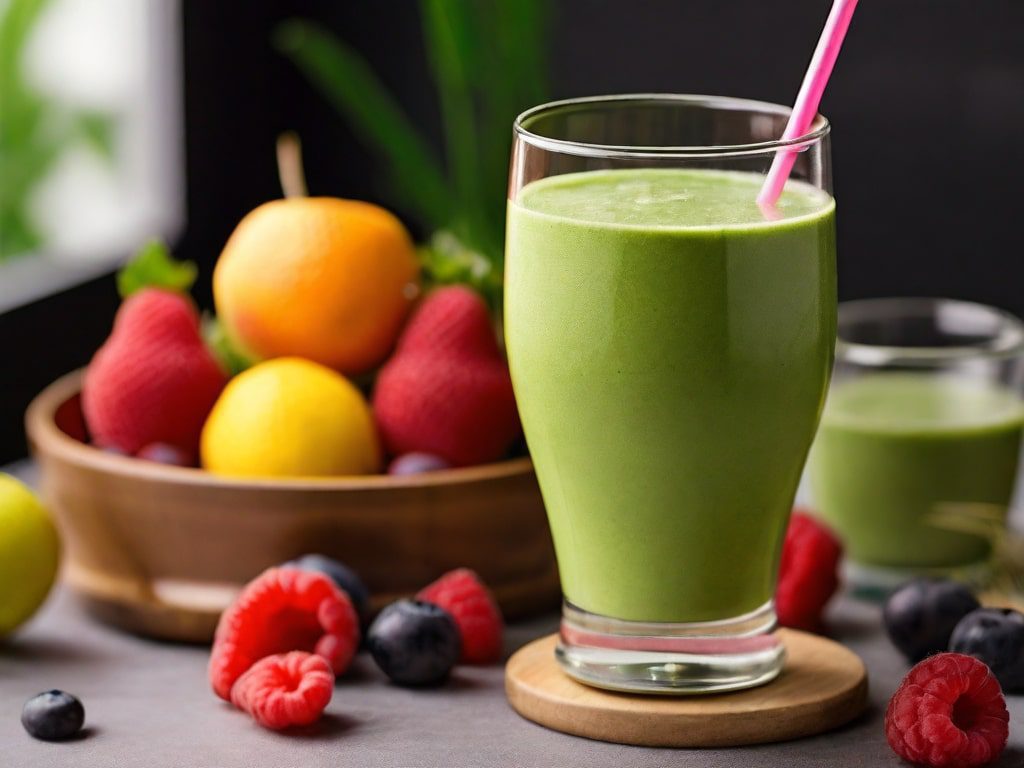
Wheatgrass powder, a nutritional supplement, is derived from the Triticum aestivum plant. It’s a superfood with an abundance of antioxidants and nutrients. Wheatgrass is referred to as “complete nourishment” and offers numerous medicinal advantages.
Wheatgrass powder is an excellent source of fiber, vitamin K, and vitamin E.
One tablespoon (8 grams) of wheatgrass powder contains ~25 calories, 1 gram of protein, 6 grams of carbs, and almost ZERO grams of fat. Wheatgrass has antioxidant, antibacterial, and anti-inflammatory qualities. In addition to minerals, namely Iron, calcium, magnesium, wheatgrass also contains enzymes, phytonutrients, 17 amino acids, proteins, chlorophyll, and vitamins A, C, E, K, and B complex.
How is Wheatgrass Powder Prepared?

Wheatgrass powder, often called a vibrant green superfood, is derived from the young shoots of the common wheat plant, Triticum aestivum. The process of preparing wheatgrass powder involves careful cultivation, harvesting, and drying to retain its rich nutritional content. Below are discussed the intricate steps involved in preparing this potent green food supplement from field to powder.
Cultivation of Wheatgrass
Selection of Seeds
The process begins with the careful selection of high-quality wheat seeds. Opting for organic and non-GMO seeds ensures a clean and uncontaminated crop.
Organic seeds are those produced from plants grown naturally without the use of synthetic pesticides, herbicides, or fertilizers. Organic farming practices prioritize ecological balance, soil health, and biodiversity.
Non-GMO seeds are seeds that have not been genetically modified through biotechnological processes. Genetic modification involves altering the DNA of an organism, plant seeds here, in a way that does not occur naturally through traditional breeding methods.
Germination
The selected seeds are soaked in water for several hours to initiate the germination process. This step is crucial as it activates enzymes and enhances the nutritional profile of the wheatgrass.
Planting
Germinated seeds are transplanted in nutrient-rich soil or a hydroponic system, with an adequate pH of 6.5. This stage requires adequate sunlight and water to support the growth of healthy and vibrant wheatgrass.
Harvesting at Peak Nutritional Potency
The key to harnessing the maximum nutritional benefits lies in harvesting at the right time. Typically, wheatgrass is ready for harvesting around seven to ten days after germination. At this stage, it reaches its peak nutritional potency.
Harvesting involves cutting the young wheatgrass shoots just above the soil level. This method ensures that the plant can regrow for subsequent harvests.
Drying the Harvested Wheatgrass
Air Drying
After harvesting, the wheatgrass is meticulously cleaned to remove any impurities. Afterward, the shoots are air-dried to retain the enzymatic activity and nutritional content of the wheatgrass.
Dehydration
For commercial production of wheatgrass powder, dehydration is a common technique. The harvested wheatgrass is carefully dehydrated to remove moisture, creating a concentrated form suitable for powdering.
Grinding into Powder
The dried wheatgrass undergoes a grinding process, using grain mills or a wheatgrass juicer with dehydration capability, to transform it into a fine powder.
Sieving
To ensure a smooth and uniform texture, the ground wheatgrass powder is sieved to remove any larger particles. This step contributes to the quality and consistency of the final product.
Packaging and Storage
Quality Assurance
Once the wheatgrass powder is prepared, it undergoes strict quality assurance checks, which are not limited to testing for contaminants and ensuring that the final wheatgrass powder meets the required standards for nutritional content.
Packaging
The final step involves packaging the wheatgrass powder into airtight containers. This prevents exposure to light and air, preserving its freshness and nutritional integrity.
With the powder ready, health enthusiasts can incorporate wheatgrass, in the form of a powder, into their daily routines. Whether blended into smoothies, mixed with water, or added to recipes, wheatgrass powder offers a convenient way to reap its numerous health benefits.
Wheatgrass Powder Smoothie
Equipment
- 1 Mixer Grinder
Ingredients
- 1 Banana
- 1 Cup Spinach
- 1/2 Cup Frozen/Fresh pineapple
- 1/2 Cup Frozen/Fresh mango
- 1/2 Cup Almond Milk
- 1 tbsp Wheatgrass Powder
Instructions
- Add all ingredients to a blender.
- Blend until smooth.
- Pour into a glass and enjoy!
Special Instructions
- Experiment with the consistency by adjusting the amount of almond milk to suit your preference.
- For added creaminess, consider adding a tablespoon of Greek yogurt.
- Ensure the wheatgrass powder is well blended to avoid any gritty texture.
- Feel free to customize with additional ingredients such as chia seeds, flaxseeds, or a drizzle of honey for added sweetness.
- Consume immediately to maximize freshness and nutritional benefits.
Disclaimer: Please note that wheatgrass powder is not a substitute for a balanced diet and should be consumed in moderation.
Why is wheatgrass powder called a superfood?
As a derivative of Fresh Wheatgrass, Wheatgrass Powder has all the essential nutrients found in Fresh Wheatgrass. However, percentage composition of each nutritional content may be slightly lower in comparison to the fresh wheatgrass owing to some processes like dehydration, etc.
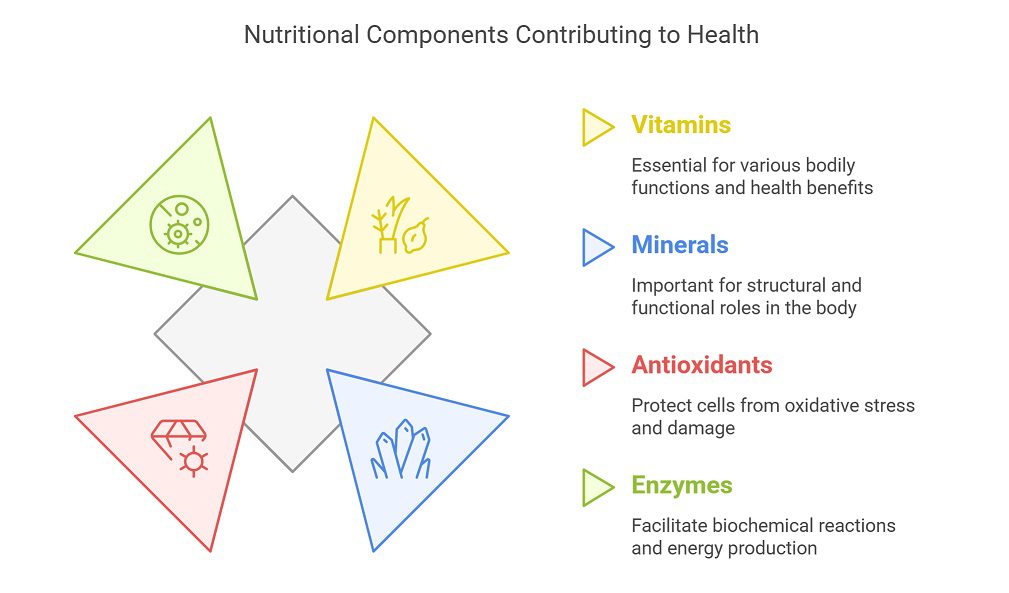
Nutritional Content
- Vitamins
- Vitamin A: Essential for vision, immune function, and skin health.
- Vitamin C: A powerful antioxidant that supports immune function and collagen production.
- Vitamin E: Known for its antioxidant properties, promoting skin health and protecting cells from damage.
- Vitamin K: Plays a crucial role in blood clotting and bone health.
- Vitamin B Complex: Includes B1 (Thiamine), B2 (Riboflavin), B3 (Niacin), B5 (Pantothenic Acid), B6 (Pyridoxine), B7 (Biotin), B9 (Folate), and B12 (Cobalamin). These are vital for energy metabolism, neurological functions, and overall well-being.
- Minerals
- Calcium: Essential for bone health, muscle function, and nerve transmission.
- Iron: Critical for the formation of red blood cells and oxygen transport in the body.
- Magnesium: Involved in hundreds of biochemical reactions, supporting muscle and nerve function.
- Phosphorus: Important for bone and teeth formation, as well as energy metabolism.
- Potassium: Helps regulate fluid balance, muscle contractions, and nerve signals.
- Zinc: Aids in immune function, wound healing, and DNA synthesis.
- Antioxidants
- Chlorophyll: Imparts the green color to wheat grass and has antioxidant and anti-inflammatory properties.
- Flavonoids: Plant compounds with antioxidant effects, contributing to overall health.
- Superoxide Dismutase (SOD): An enzyme with antioxidant properties, protecting cells from oxidative stress.
- Beta-Carotene: Converts to vitamin A, providing antioxidant support and promoting skin health.
- Glutathione: A powerful antioxidant that supports the immune system and detoxification processes.
- Enzymes
- Superoxide Dismutase (SOD): Helps neutralize free radicals and reduce oxidative stress.
- Cytochrome Oxidase: Supports cellular energy production.
Health Benefits of Wheatgrass Powder
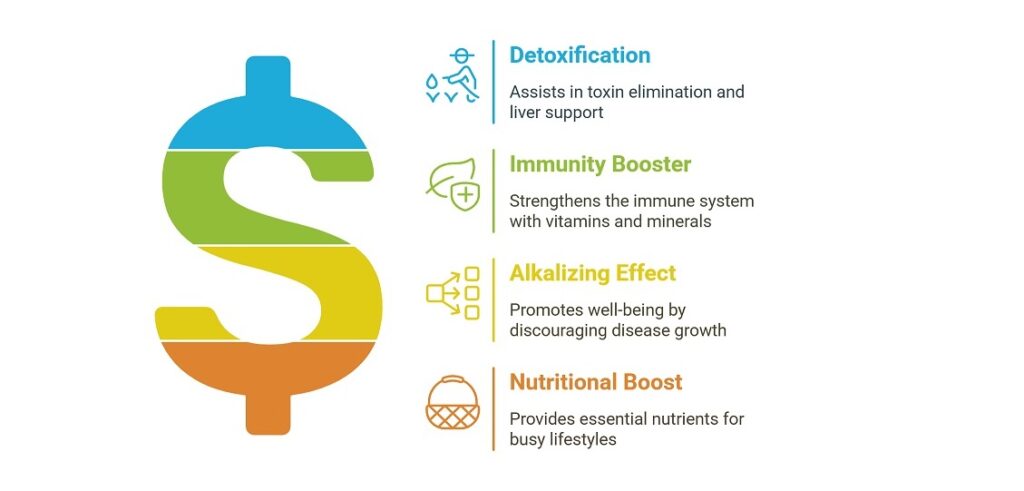
Detoxification and Cleansing
One of the key benefits of wheatgrass powder is its detoxifying properties. Rich in chlorophyll, it is believed to assist the body in eliminating toxins and supporting liver function, hence promoting a natural cleanse.
Immunity Booster
The abundance of vitamins and minerals in wheatgrass powder contributes to a strong immune system. Regular consumption may enhance the body’s ability to ward off infections and illnesses.
Alkalizing Effect
Wheatgrass powder is known for its alkalizing effect on the body. An alkaline environment is believed to discourage the growth of diseases and promote overall well-being.
Nutritional Boost
With its concentrated nutritional content, wheatgrass powder may serve as a convenient way to supplement the diet with a myriad of essential nutrients, especially for those with busy lifestyles.
Incorporating Wheatgrass Powder into Your Routine
Smoothies and Juices
One of the most popular ways to consume wheatgrass powder is by adding it to smoothies and juices. Its slightly earthy taste blends well with fruits, creating a nutritious and refreshing beverage.
Wellness Shots
For a quick nutrient boost, consider wheatgrass powder shots. Mix a small amount with water or your favorite juice and take it as a potent wellness shot.
Culinary Creations
Get creative in the kitchen by incorporating wheatgrass powder into recipes. From energy bars to salad dressings, its versatility allows for diverse culinary applications.
Wheatgrass Powder vs Wheatgrass Juice
- Nutrient content: Wheatgrass juice is more nutrient-dense than wheatgrass powder. Wheatgrass juice contains more vitamins A, C, and E, calcium, and iron than wheatgrass powder.
- Fiber content: Wheatgrass powder is rich in fiber, whereas wheatgrass juice powder has zero fiber.
- Preparation: Wheatgrass juice is made by juicing fresh wheatgrass, while wheatgrass powder is made by drying and grinding fresh wheatgrass.
- Convenience: Wheatgrass powder is more convenient to use than wheatgrass juice. Wheatgrass powder can be added to smoothies, juices, or water, while wheatgrass juice needs to be consumed immediately after juicing.
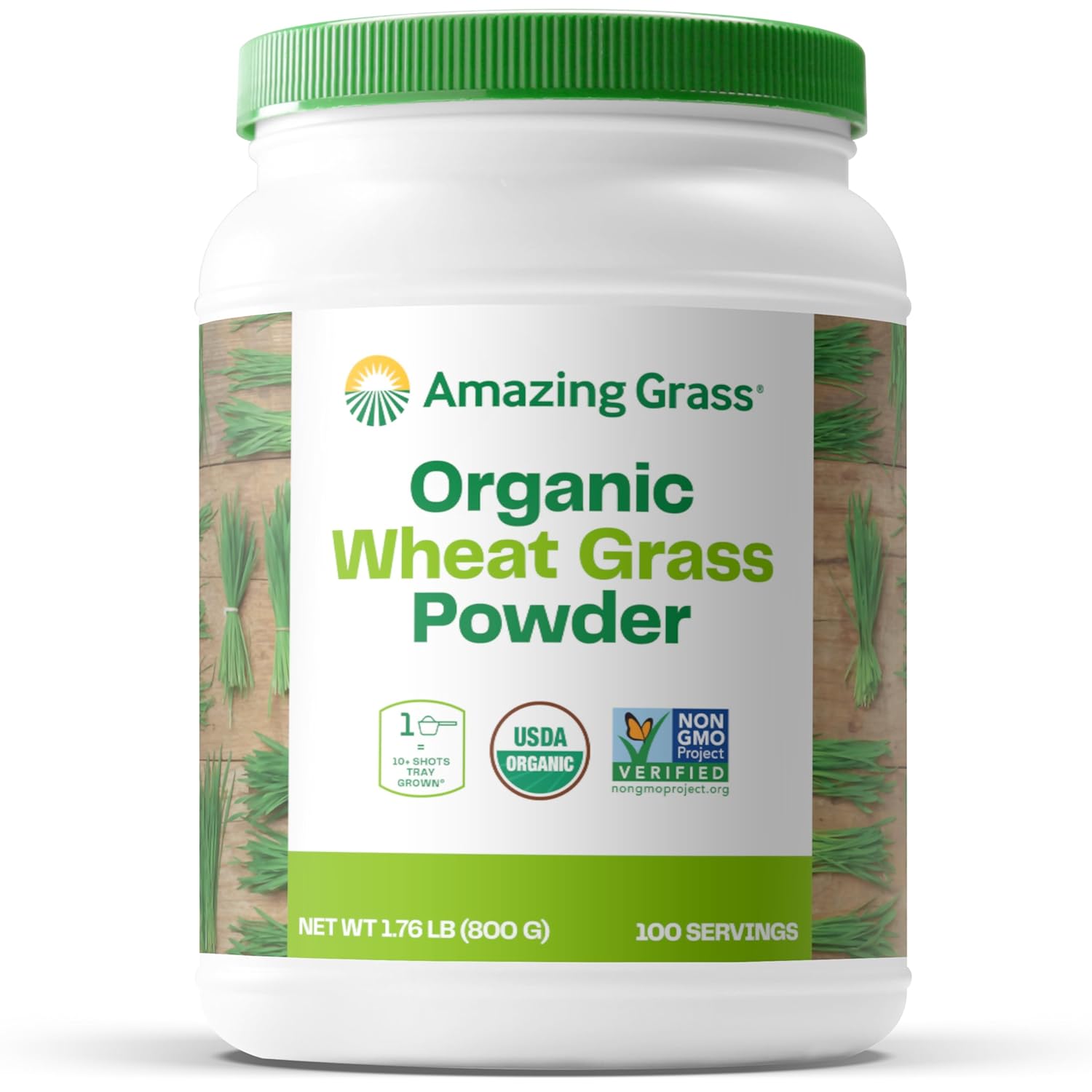
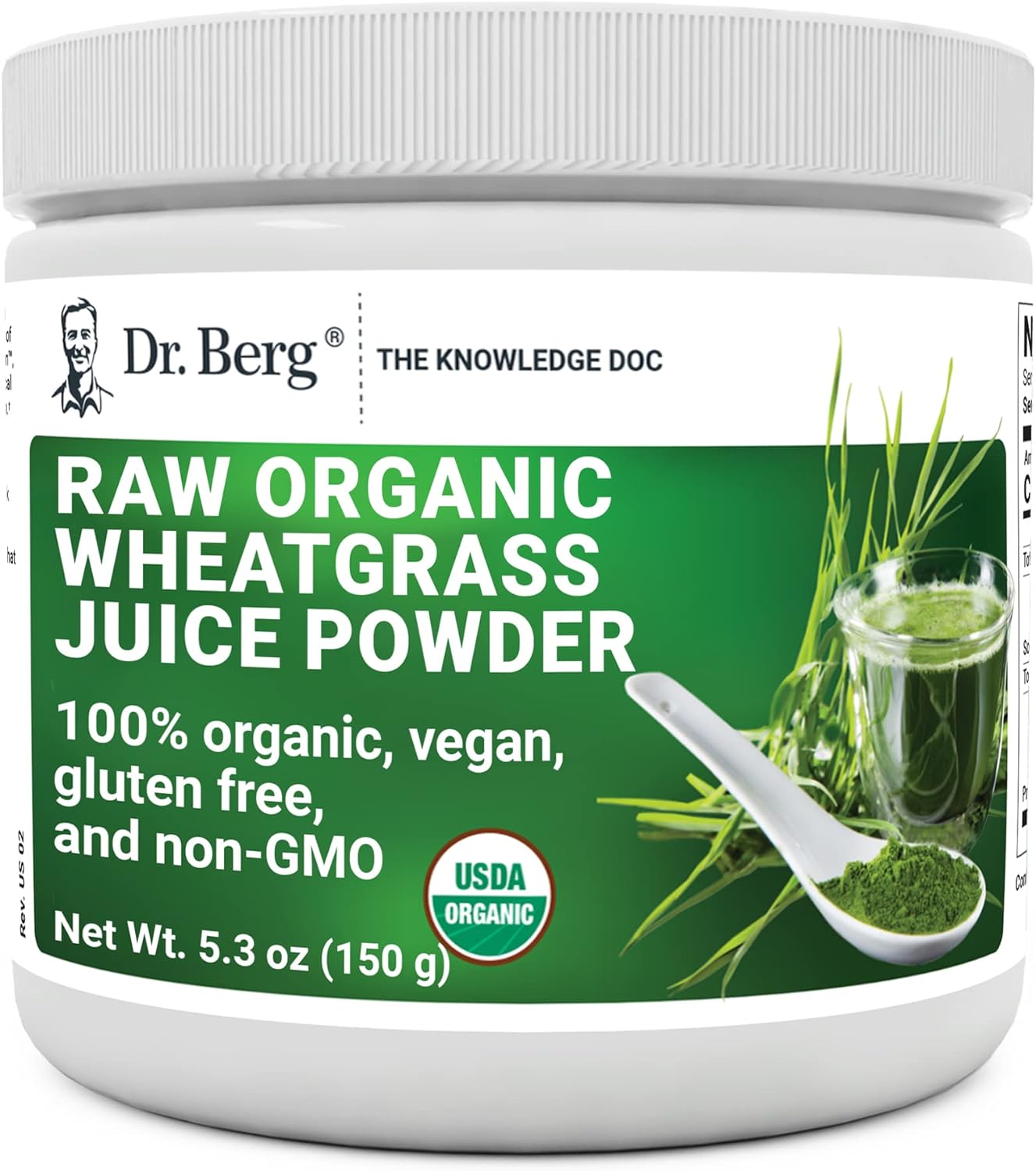
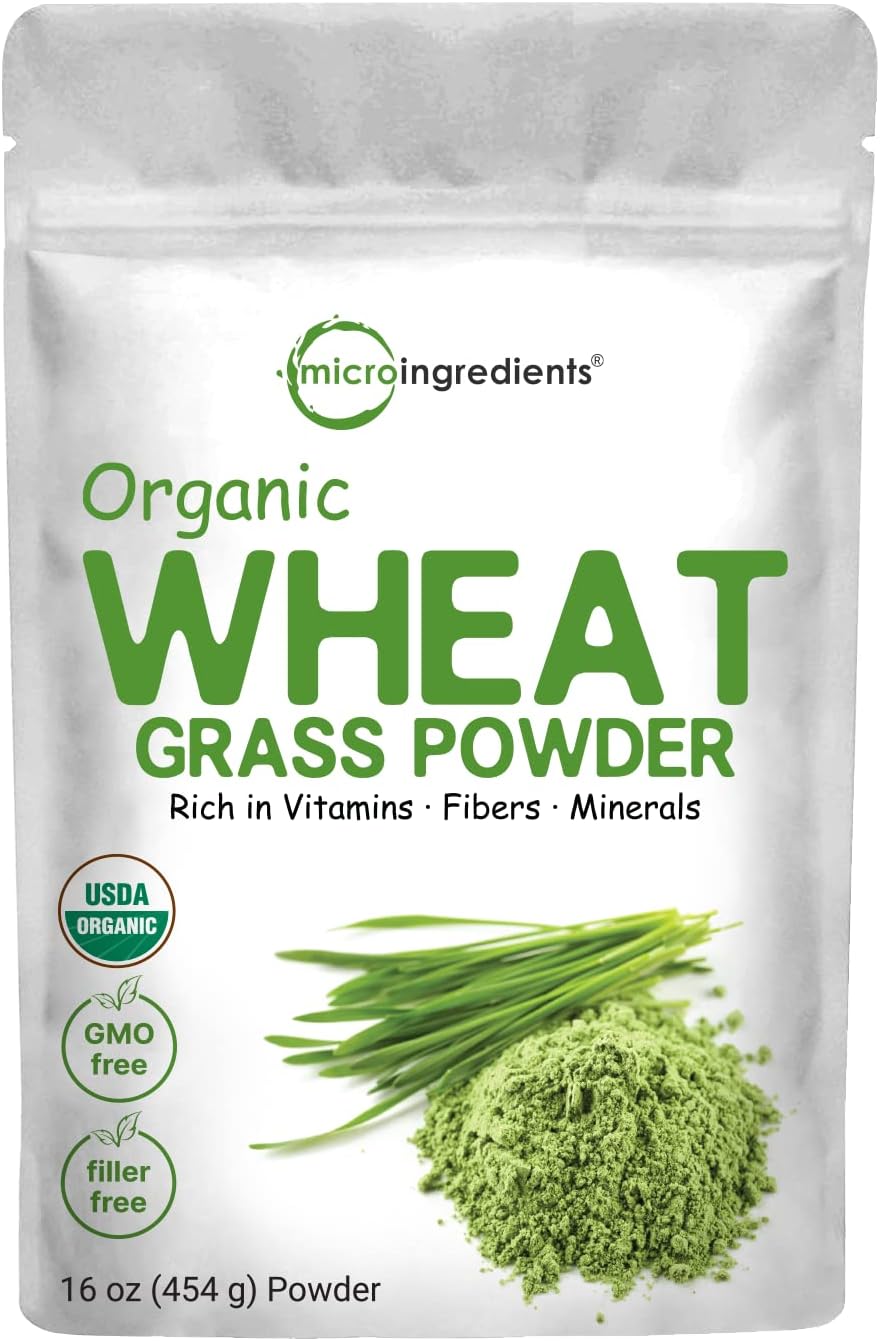
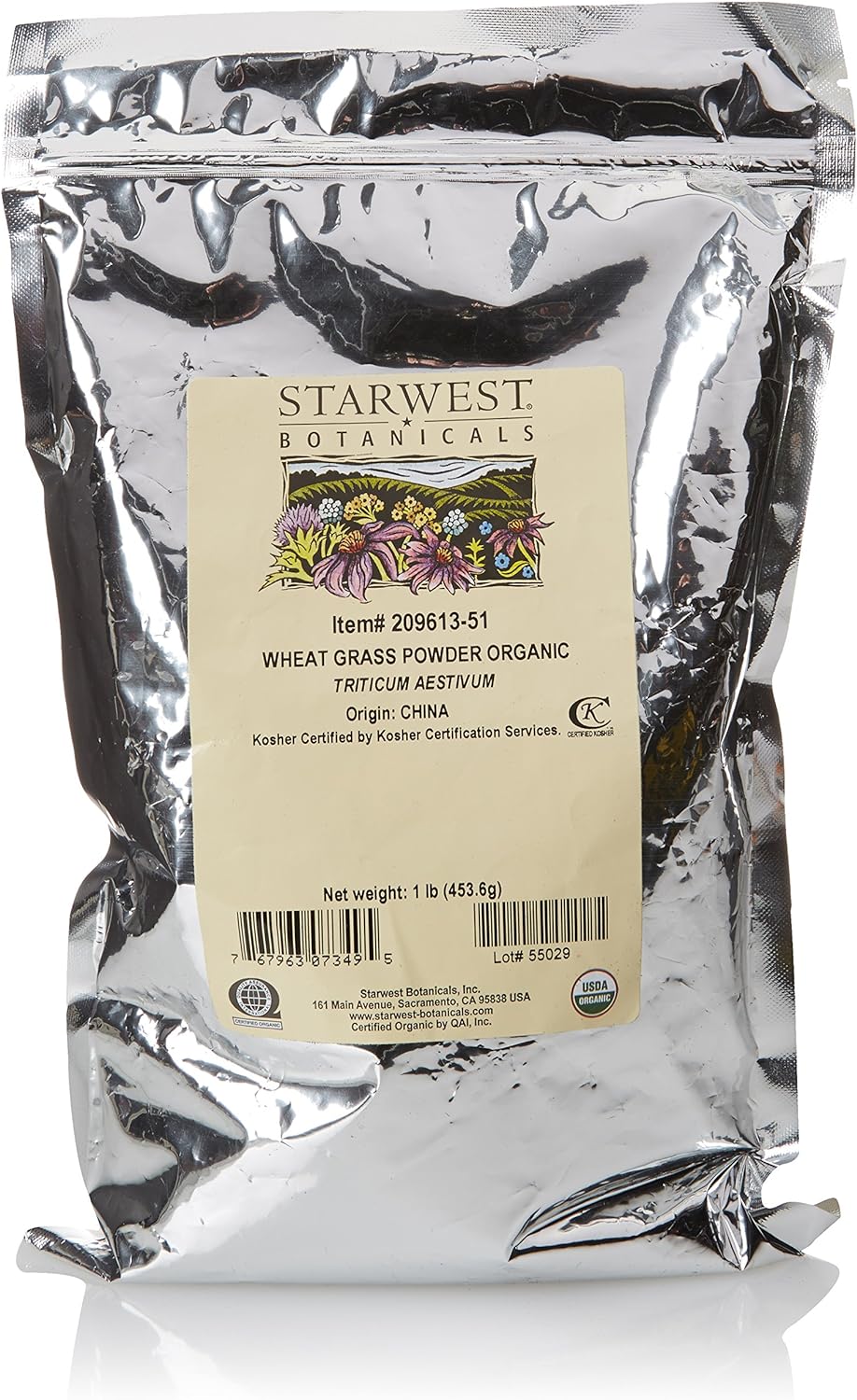
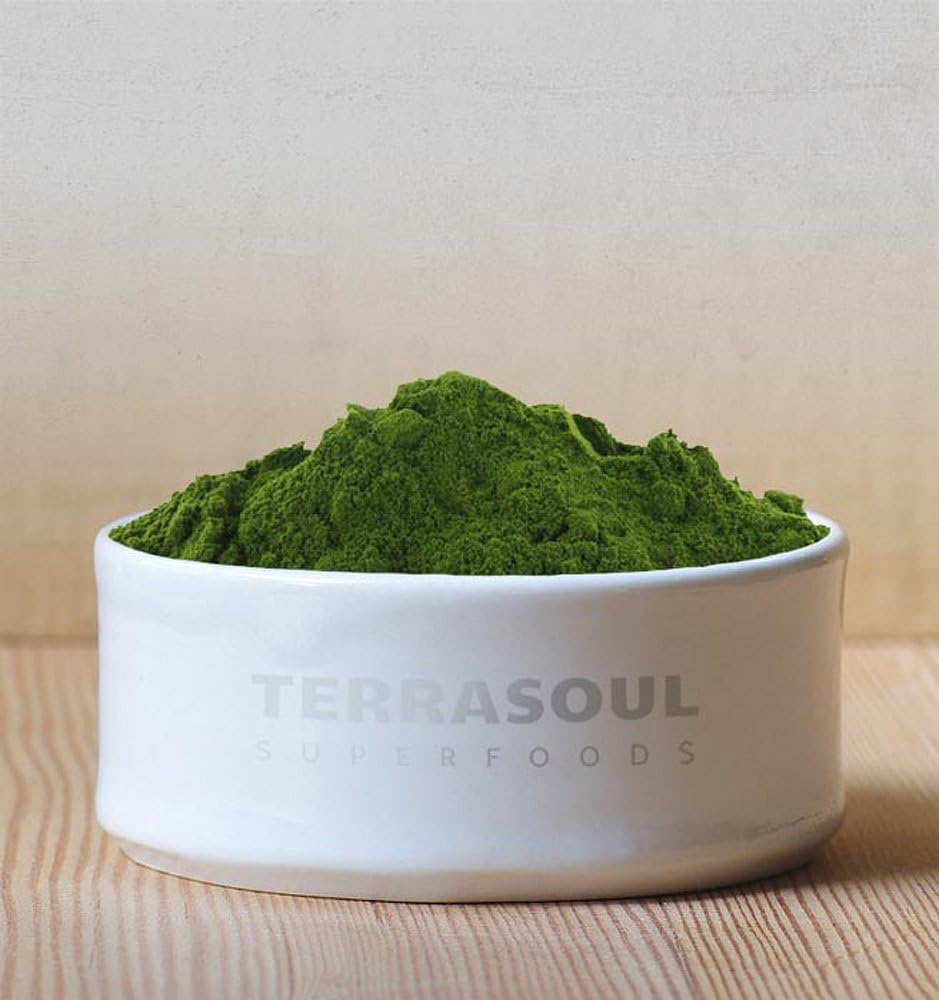
You’d like to Buy……
Possible Side Effects of Wheatgrass
Although consuming Wheatgrass, in the form of juice or powder, is generally considered safe, some people may experience certain side effects such as upset stomach, nausea, constipation, headache, fever, and allergic reactions. It is important to note that these side effects are rare and usually mild.
If you are trying wheatgrass juice for the first time, it is recommended that you’d start with a small amount and gradually increase the quantity to prevent any adverse reactions. Also ensure that the wheatgrass is clean and free of any contaminants before consumption.
Wheatgrass Powder vs Spinach vs Kale
| Nutrient (Per 100g) | Wheatgrass | Spinach | Kale |
|---|---|---|---|
| Calories | 312 | 23 | 43 |
| Protein | 12.5g | 2.9g | 2.92g |
| Carbohydrates | 75g | 3.6g | 4.42g |
| Dietary Fiber | 50g | 2.2g | 4.1g |
| Fat | 0 | 0.4g | 1.49g |
| Vitamin K | 1074 mcg | 482mcg | 390mcg |
| Calcium | 300 mg | 99mg | 254mg |
| Iron | 12.5mg | 2.7mg | 1.5mg |
| Potassium | 2450 mg | 558mg | 348mg |
FAQs
How much Wheatgrass powder should I consume?
The recommended dosage for wheatgrass powder is 2-3 grams twice a day, but it should not replace a balanced diet. Start with a small amount and gradually increase the dosage if new to wheatgrass powder. Consult a doctor before consuming wheatgrass powder, especially if you have underlying medical conditions.
Can wheatgrass powder replace fresh wheatgrass juice?
While wheatgrass powder offers convenience, I personally believe that the freshness of the juice provides additional enzymatic benefits.
Is wheatgrass powder suitable for children?
It’s advisable to consult with healthcare professionals before introducing wheatgrass powder to children’s diets, especially if they have allergies or specific health conditions.
Can I grow my own wheatgrass at home to make powder?
Yes, growing wheatgrass at home is possible. Follow a simple guide to cultivate and harvest it for powder production.
Are there any alternatives to wheatgrass powder for similar health benefits?
Although most of the “Greens” contain maximum essential nutrients as compared to the cooked and other foods, Spinach and kale offer comparable nutrient profiles and can be considered as alternatives for those seeking variety in their nutritional intake. I have given a comparison chart above in the post.
Medical Disclaimer
Drinking wheatgrass is a supplement that can provide health benefits. It is recommended to consult a qualified healthcare provider before starting any new supplement, as this information should not be considered medical advice. The article aims to provide a relevant research overview.
References
- https://www.ncbi.nlm.nih.gov/pmc/articles/PMC9298262/
- https://www.researchgate.net/publication/5864022
- https://fdc.nal.usda.gov/fdc-app.html#/food-details/1842929/nutrients
- https://fdc.nal.usda.gov/fdc-app.html#/food-details/168462/nutrients
- https://fdc.nal.usda.gov/fdc-app.html#/food-details/323505/nutrients