In Coffee Roasting, chemical reactions such as the Maillard reaction and caramelization lead to the formation of complex tastes and aromas. Acidity decreases and bitterness increases as the beans roast. Additionally, roasting causes physical changes in the beans, including expansion and moisture loss, which affect the texture and mouthfeel of the brewed coffee.
Affiliate Disclaimer: This article contains affiliate links that may earn some commission for us without any extra cost to you. Please read our “Affiliate Disclosure” for details.
How Roasting Affects the Flavor and Aroma of Coffee Beans?
Coffee lovers often get surprised at the rich aroma and nuanced flavors of their favorite brews. But have you ever wondered how the process of roasting influences these sensory delights? Let’s take a deep dive into the world of coffee roasting and explore how it affects the flavor and aroma of coffee beans.
Chemical Reactions During Roasting
Roasting coffee beans involves certain chemical reactions that transform Raw OR Green beans into the aromatic brown beans, we’re familiar with. Maillard reaction, which occurs during roasting, helps amino acids and reducing sugars react under heat to produce a range of flavorful compounds. This reaction develops complex flavors such as caramel, toffee, and chocolate in the product. In addition, sugars are caramelized to add sweetness to the beans, contributing to the overall flavor profile.
Impact of Roasting on Acidity and Bitterness
As coffee beans roast, they undergo significant changes in acidity and bitterness. Initially, green coffee beans possess high levels of organic acids, such as citric, malic, and acetic acid, which contribute to the bright, acidic taste commonly associated with certain coffee varieties. However, during the roasting process, these acids break down, resulting in a decrease in acidity. Conversely, the bitter compounds in coffee, such as chlorogenic acids and caffeine, become more pronounced as the beans roast. This shift in the balance between acidity and bitterness is a defining characteristic of the roasting process and contributes to the overall flavor profile of the coffee.
Aroma Development

The aroma of coffee is a result of volatile compounds released during roasting. These compounds include aromatic oils, esters, and aldehydes, which are generated as coffee beans undergo thermal degradation. The aroma profile can vary widely depending on factors such as bean origin, roasting method, and degree of roast. Lighter roasts exhibit more floral and fruity aromas, while darker roasts develop deeper, more robust aromas with hints of caramelization and smokiness. The intensity and complexity of the aroma are further influenced by the freshness of the beans and the brewing method used.
Degree of Roast and Flavor Profiles
The degree of roast—light, medium, or dark—affects the flavor profile of coffee beans in many ways. Lighter roasts preserve more of the bean’s natural characteristics, resulting in a brighter acidity and more pronounced fruity or floral notes. Further, Medium roasting maintains a balance between acidity and body, thus offering a more rounded flavor profile with caramelized sweetness and a slightly fuller body. Comparatively, Dark roasts develop richer, bolder flavors with striking bitterness and smoky flavor. The choice of roast level is often a matter of personal preference, with each offering a unique tasting experience.
Related post: “Fresh Roasted Coffee Beans – The Ultimate Guide”
Physical Changes in Coffee Beans
Beyond flavor and aroma, roasting also brings about physical changes in coffee beans. As the beans heat up, they undergo expansion and moisture loss, causing them to increase in size and become less dense. This physical transformation affects the texture and mouthfeel of the brewed coffee, with lighter roasts typically yielding a lighter body and crisper acidity; however, darker roasts produce a heavier body and oilier texture. Additionally, the degree of roast can influence the development of a coffee’s crema—the creamy layer that forms on top of espresso shots—adding another dimension to the sensory experience.
Roasting Methods
In coffee making, various roasting techniques are employed to achieve desired flavor profiles and aroma characteristics. To start with a traditional method, Drum roasting was used by many coffee roasters. Later, Air roasting came into use which involved the use of hot air to roast the beans, resulting in a better flavor profile. Other methods, such as fluid bed roasting and infrared roasting, offer additional options for controlling the roasting process and achieving specific flavor profiles.
What is Drum Roasting?

Traditional drum used for roasting coffee
Drum Roasting, is a traditional type of roasting method in which coffee beans are roasted in a drum OR a cylindrical chamber. In the early days, open flames underneath were used to heat the drum. Nowadays, such chambers are heated using Gas, electricity, or other means, steam, etc is heated using open flames underneath. Coffee beans, kept inside the drum OR chamber, get roasted while the drum rotates on its axis. This method helps in even roasting and caramelization of the coffee beans.
Factors Influencing Roasting
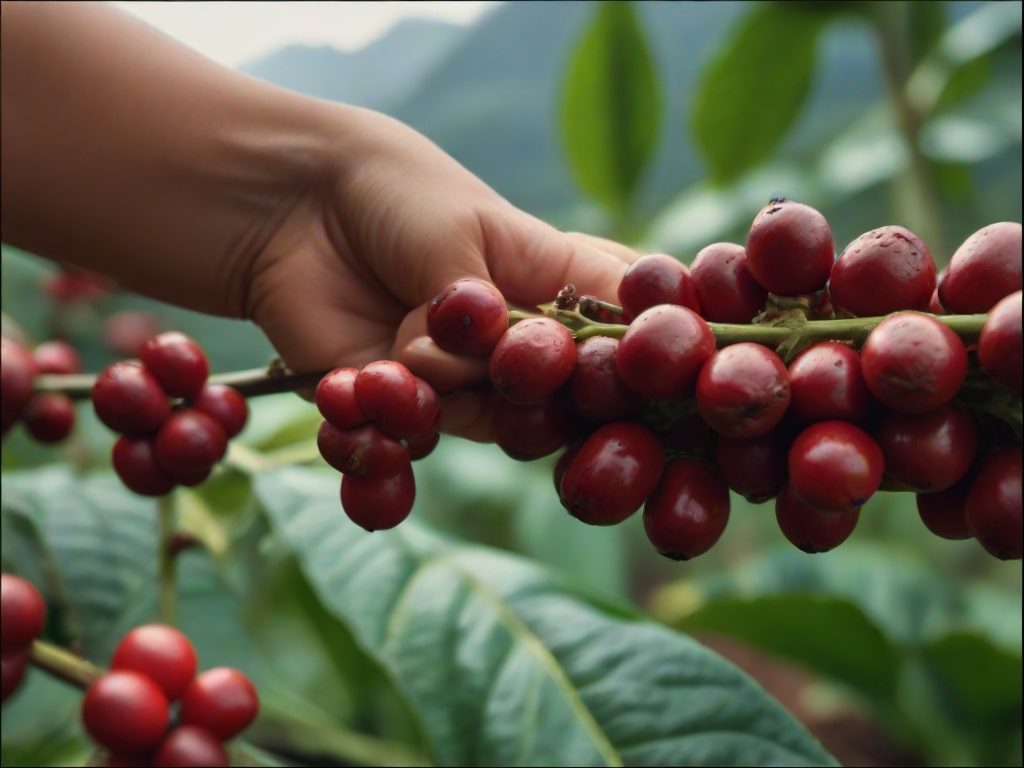
Several factors, including the origin of beans, the altitude at which the crop is grown, and processing methods, influence the outcome of the roasting process. For example, growing coffee beans at higher altitudes helps develop complex flavor profiles in the Coffee beans compared to those grown at lower altitudes. Additionally, processing methods such as washed, natural, or honey processing can impact the beans’ moisture content and chemical composition, affecting how they respond to roasting. Considering these factors, meticulously, roasters develop roasting profiles to ensure consistency and quality in their final product.
Best Practices for Roasting
Achieving consistent roasting results requires attention to detail and adherence to best practices. Factors such as roasting time, temperature, and airflow must be considered prudently to achieve the desired flavor profile and aroma characteristics. Quality control measures, including, but not limited to, regular cupping sessions and sensory evaluation, are important to ensure the product’s quality meets industrial standards. Additionally, ongoing experimentation and refinement of roasting techniques allow roasters to continually improve and innovate, pushing the boundaries of what’s possible in coffee flavor and aroma.
Sustainability Considerations
In an era of increasing environmental awareness, sustainability has become a focal point in the coffee industry. Roasters are exploring ways to minimize their environmental impact, from sourcing beans from sustainable farms to implementing energy-efficient roasting technologies. Additionally, efforts to reduce waste and promote ethical sourcing practices are gaining traction, as consumers increasingly seek out coffee that aligns with their values. Hence, coffee companies, these days, prioritize sustainability in their respective coffee roasting process to reduce their environmental footprint and contribute to the long-term viability of the coffee industry, as a whole.
Consumer Preferences and Trends
Finally, consumer preferences and trends play a significant role in shaping the landscape of coffee roasting. Specialty and single-origin coffees are gaining popularity as consumers seek out unique and high-quality brews. Roasters are responding to this demand by offering a diverse range of coffees with distinct flavor profiles and origin stories. Additionally, there’s a growing interest in transparency and traceability in the coffee supply chain, with consumers increasingly valuing information about where their coffee comes from and how it’s produced. As consumer preferences continue to evolve, coffee roasters must stay attuned to changing trends and adapt their roasting techniques to remain competitive in the market.
Conclusion
Roasting is a process that transforms raw coffee beans into flavorful brews. From the chemical reactions that unfold to the physical changes in the beans, every aspect of roasting influences the final product. Overall, Coffee lovers should learn in-depth about roasting to gain a deeper awareness of their favorite beverage and explore the rich diversity of flavors and aromas that coffee has to offer.
FAQs
Does Coffee roasting affect caffeine content?
Contrary to popular belief, roasting does not significantly affect the caffeine content of coffee beans. However, darker roasts may have slightly less caffeine than lighter roasts due to longer roasting times, which can cause some caffeine to degrade. Ultimately, caffeine content largely depends upon the variety and its origin.
Can I Roast coffee beans at home?
Yes, it’s possible to roast coffee beans at home using various methods, such as using a popcorn popper, stovetop pan, or a dedicated home coffee roaster. Home roasting allows you to experiment with different roast levels and customize your coffee to your preferences. However, it requires careful attention to prevent over-roasting or burning the beans.
How long does it take to roast coffee beans?
The roasting time can vary depending on factors such as bean variety, roasting method, and desired roast level. On average, the roasting process typically takes between 10 to 20 minutes. However, some specialty coffees may require longer roasting times to develop specific flavor profiles.
What are some common coffee roasting defects?
Common coffee roasting defects include uneven roasting, which results in beans with varying degrees of color and flavor, and underdeveloped or baked flavors caused by insufficient or excessive roasting. Other defects may include tipping, scorching, or charring of the beans, which can negatively impact the taste and aroma of the coffee. Quality control measures such as regular cupping sessions are essential for identifying and addressing roasting defects to ensure high-quality coffee.