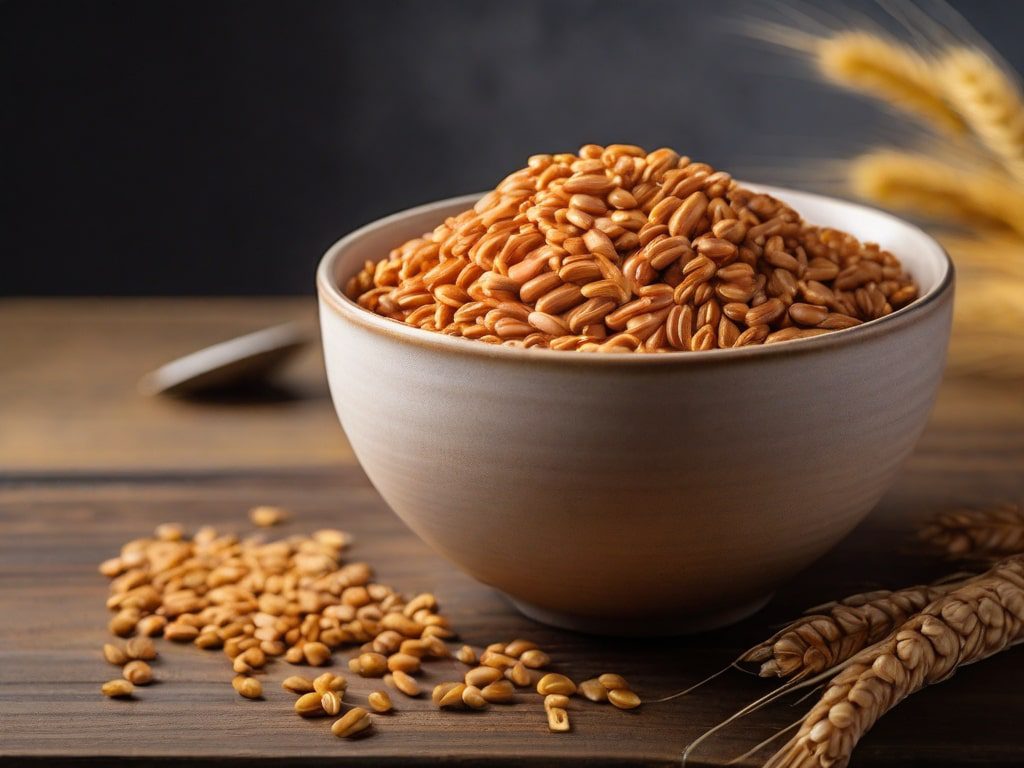
Fresh wheatgrass juice, a natural food, is a rich source of vitamins and nutrients, including iron, calcium, enzymes, magnesium, phytonutrients, 17 amino acids, and vitamins. Its antioxidants, antimicrobial, and anti-inflammatory properties can result in overall health benefits.
Why is Wheatgrass known as a “Superfood”?
Wheatgrass, a young grass of the wheat plant – Triticum aestivum, is a natural food and is often consumed in the form of Fresh Wheatgrass Juice, tablets/capsules or powder. Wheatgrass, often referred to as “living Superfood“, is a potential blend of nutrients, including iron, calcium, enzymes, magnesium, phytonutrients, 17 amino acids, vitamins A, C, E, K, and B complex, chlorophyll, and proteins. Wheatgrass Juice has ample antioxidants, antimicrobial, and anti-inflammatory properties which might improve digestion, strengthen your immune system, and provide you with energy by providing essential nutrient content to your body. It is also recognized that wheatgrass lowers cholesterol. But additional investigation is required to ascertain its effectiveness for sure. You can get wheatgrass online or in health food stores if you’d like to give it a try. You can also get fresh wheatgrass juice by growing wheatgrass at your home in small trays/pots – under preferred weather conditions. Wheatgrass can also be added to smoothies, juices, salads, or other dishes.
What are the health benefits of Fresh Wheatgrass Juice?

Wheatgrass juice is packed with a variety of vitamins, minerals, and antioxidants. Some of the benefits of consuming wheatgrass juice include:
1. May Lower Cholesterol Levels
Research 2010, has revealed that consuming wheatgrass juice may help improve overall lipid levels (decreased total cholesterol and increased HDL-C) along with significantly reducing MDA levels and increasing GSH and vitamin C levels.
2. May Reduce Inflammation
Wheatgrass extract inhibits production of pro-inflammatory and inflammatory markers, which may help reduce inflammation in the body, as per Research 2021.
3. Can Boost Immunity
Wheatgrass contains vitamins A, C, and E, which are all considered essential for maintaining a healthy immune system.
According to a study conducted in June 2020, wheatgrass-derived oligosaccharides have immunity-modulating properties, which can activate various immune cells, including T cells, NK cells, and monocytes. Overall, wheatgrass has the potential to increase the immunity power of the body, which in turn can help in boosting the disease-fighting ability of a person.
4. Detoxification
Wheatgrass has proved to be beneficial in detoxifying our body. As already discussed earlier, Wheatgrass contains almost 70% Chlorophyll. As per a report, published in 2011: Chlorophyll present in wheatgrass can protect us from carcinogens; it strengthens the cells, detoxifies the liver and blood stream, and chemically neutralizes the polluting elements.
5. Helps Improve Digestion
Wheatgrass contains substantial amount of dietary fiber which can result in intestinal cleaning, thus improving the metabolism activities – overall helping in the digestion. [6]
Did you know?
One tablespoon (8 grams) of wheatgrass powder contains ~25 calories, 1 gram of protein, 6 gram of carbs, and almost ZERO grams of fat. Wheatgrass has antioxidant, antibacterial, and anti-inflammatory qualities. In addition to minerals namely Iron, calcium, magnesium, wheatgrass also contains enzymes, phytonutrients, 17 amino acids, proteins, chlorophyl and vitamins A, C, E, K, and B complex. [6]
6. May Boost Energy Levels
Wheatgrass contains high content of B-complex vitamins including B6, B12, and Folic Acid which promotes the production of Red Blood cells. Thus, considering all the benefits wheatgrass provides to our body in the form of Vitamins, Minerals, Dietary Fiber, Enzymes, etc, this green superfood can really boost energy levels on regular intake.
7. Can support Healthy Skin & Nails
As per studies, wheatgrass is a good source of vitamins and minerals required for healthy skin and hair growth. Its potential detoxifying ability and anti-inflammatory properties makes it a strong contender for improving the health of hair follicles and removing dead cells, thus supporting a healthy skin.
8. May be helpful for Diabetic Patients
Although there is no direct evidence of treating Diabetic Patients with Wheatgrass, this “green superfood” was found beneficial in decreasing the activity of glucose oxidative enzymes and the levels of insulin and liver glycogen in rats with diabetes. [5]
9. Can help in Weight Loss
Wheatgrass can be beneficial for people trying to control their weight. As it is high in Dietary fiber and low in calories, It helps with digestion and increases feelings of fullness, which can help regulate appetite and improve weight loss attempts. It provides sufficient amount of proteins, Vitamins, Minerals, Emzymes, etc required for our body to function properly.
Can Wheatgrass Treat Cancer?
Wheatgrass may help in the Cancer Treatment, as per some research based studies revelations.
Clinical studies in 2015 revealed that wheatgrass may add synergistic benefits to chemotherapy – cancer treatment and may enervate side effects due to chemotherapy. This could be due to a reason that wheatgrass helps in increasing the immunity of the body which further helps in fighting and killing the cancer cells. Also, it might help in reducing the proliferation of the new cancer cells in the body. However, broad level research studies are required to substantiate the above revelations. [2]
Another study, June 2017, stated that aqueous extract of wheatgrass has an inhibitory effect on the multiplicaiton/spreading of oral cancer cells due to its high chlorophyll content, almost 70%. In addition, it increases the oxygen supply to all the tissues in the body due to its structural similarity with haemoglobin. [3]
Some preliminary results of a study, June 2020, showed positive results among cancer patients consuming wheatgrass juice daily, in addition to chemotherapy on immune parameters, including white blood cells (WBCs). [4]
Although there are considerable studies advocating the positive effects of using wheatgrass in Cancer treatment, it is also stated that further research is required to convert those findings into clinical prescriptions.
A Quick Healthy Wheatgrass Recipe

Wheatgrass Juice at Home
Equipment
- 1 Mixer Juicer/Blender
Ingredients
- 1 Cup Fresh Wheatgrass
- 1/2 Cup Water
- 1/2 Cup Apple Juice Optional
- 1/2 Tablespoon Fresh Lemon Juice Optional
Instructions
- Rinse the wheatgrass thoroughly with water.
- Cut the wheatgrass into small pieces.
- Add the wheatgrass and water to a blender/Juicer and blend until smooth.
- Strain the mixture through a fine mesh strainer or cheesecloth to remove any pulp.
- If desired, add apple/Lemon juice to the strained mixture and stir well.
- Serve the juice immediately.
Notes
- Calories: The calorie content of wheatgrass juice varies depending on factors such as the amount of wheatgrass used and whether apple juice is added. On average, a cup of wheatgrass juice contains about 15 calories.
- Proteins: Wheatgrass juice contains a small amount of protein, approximately 1 gram per cup.
- Carbohydrates: Wheatgrass juice is low in carbohydrates, with about 3 grams per cup.
Are there any Potential Side Effects of Wheatgrass?
Wheatgrass juice is generally considered safe for consumption. However, some people may experience side effects such as:
- Upset stomach
- Nausea
- Constipation
- Headache
- Fever
- Allergic reactions.
It is important to note that these side effects are rare and usually mild.
Who Should Not Take Wheatgrass?
While wheatgrass is generally considered safe for most people, if consumed in moderation, it should be avoided in certain conditions:
- People with Wheat/Grass Allergy: Some people may have allergies to wheat or grass pollens. Such pollens or Wheat products may potentially trigger allergic reactions when consuming wheatgrass juice. It’s advisable to avoid wheatgrass or consult with a qualified medical practitioner before starting it.
- Pregnant or Breastfeeding Women: There is limited research on the safe consumption of wheatgrass during pregnancy and the lactating period; hence, it’s generally recommended for pregnant or breastfeeding women to exercise caution and consult with their healthcare provider before adding wheatgrass to their diet. [1]
- Individuals Taking Certain Medications: Patients on anticoagulant medicines, like Warfarin, should consult their doctors before incorporating wheatgrass in their diets, as wheatgrass contains high amounts of Vitamin K, which may interact with the functioning of blood-thinning medicines. [1]
- Children: While Wheatgrass is considered to be beneficial for individuals, including children, wheatgrass may not be suitable for young children, especially in large quantities, due to their sensitive digestive systems. It’s best to consult with a pediatrician before introducing wheatgrass into a child’s diet.
Medical Disclaimer: Drinking wheatgrass is a supplement that can provide health benefits. The article aims to provide relevant research – collated from Health Journals, Research studies, references inserted in the form of links, done on the captioned subject, this material does not cover all potential uses, precautions, interactions, or side effects. It is recommended to consult a qualified Physician or a Healthcare provider before starting or adding any new supplement to your diet, as this information from Quintessify should not be considered as medical advice.
FAQs
Can I store Wheatgrass after cutting?
Yes, you can store wheatgrass after cutting, but it’s best to use it as soon as possible to retain its freshness and nutritional value. For storage, keep it in an airtight container inside the fridge. Also, ensure that fresh wheatgrass is not exposed to air and heat.
How can I Consume Wheatgrass?
Wheatgrass can be consumed in three different ways:
1. Fresh Juice: Most popular and best way to enjoy what grass is through fresh juicing. Extracting the juice allows for a concentrated dose of nutrients.
2. Wheatgrass Powder Supplements: For those who cannot grow wheatgrass or don’t have direct access to fresh wheatgrass juice, wheatgrass powder is a great way to add this potent supplement to their diet. These can be easily added to smoothies, water, or other beverages. In addition, nowadays, wheatgrass tablets or capsules are also available in the market.
3. Wheat Grass Shots: Taking wheat grass shots has become a trendy ritual among health-conscious individuals. A wheatgrass shot is a small serving of freshly squeezed juice made from the young grass of the wheat plant, Triticum aestivum. It’s typically consumed for its purported health benefits, as wheatgrass is rich in nutrients like vitamins, minerals, enzymes, and chlorophyll.
Can Wheatgrass replace a Balanced Diet?
Wheat grass can complement a balanced diet, but it should not replace the variety of nutrients obtained from whole foods. *Consult your physician before adding wheatgrass to your diet.*
How often should I consume wheat grass for maximum benefits?
Well, the frequency and quantity of consuming wheatgrass vary among individuals. Generally, it’s recommended that one should start with a small quantity and adjust based on personal preferences and reactions.
Conclusion
Wheatgrass is a promising herbal drug with a therapeutic application that can support various diseases. It is known to minimize fatigue, improve sleep, increase strength, regulate blood pressure and sugar, support weight loss, improve digestion and elimination, support healthy skin, teeth, eyes, muscles, and joints, heal ulcers and skin sores, slow cellular aging, improve mental function, and be beneficial in arthritis and muscle cramping. Wheatgrass juice contains no harmful substances, except for possible allergic reactions. Therefore, it should be part of daily dietary intake, after proper consultation with a qualified medical practitioner, to explore its maximum benefits.