Affiliate Disclaimer: This post contains affiliate links that may earn us some commission without any extra cost to you. Kindly read our “Affiliate Disclosure” for details.
Drinking a cup of Matcha green tea can promote your overall health in addition to boosting your cognitive power levels.
Matcha Green Tea Comparison with Coffee and Green Tea
Matcha Green Tea vs Coffee
When comparing Matcha green tea to coffee, one notable distinction lies in the sustained energy release. While both beverages contain caffeine, Matcha tea provides a more stable and extended energy boost due to the presence of L-theanine. This amino acid works in harmony with caffeine to promote alertness without the jitters or crashes often associated with coffee consumption.
Additionally, Matcha green tea offers a wealth of antioxidants, particularly catechins, which contribute to overall health by combating oxidative stress and supporting the immune system. Unlike coffee, Matcha provides a unique combination of mental clarity and relaxation, making it an appealing choice for those seeking a balanced and focused energy lift without sacrificing tranquility.
Matcha Green Tea vs Green Tea
In terms of antioxidant content, Matcha surpasses traditional green tea. The meticulous shade-growing process of Matcha enhances its chlorophyll and amino acid content, resulting in higher concentrations of beneficial compounds.
The presence of L-theanine in Matcha, absent in regular green tea, contributes to enhanced cognitive function and relaxation.
Top health benefits of Matcha Green Tea
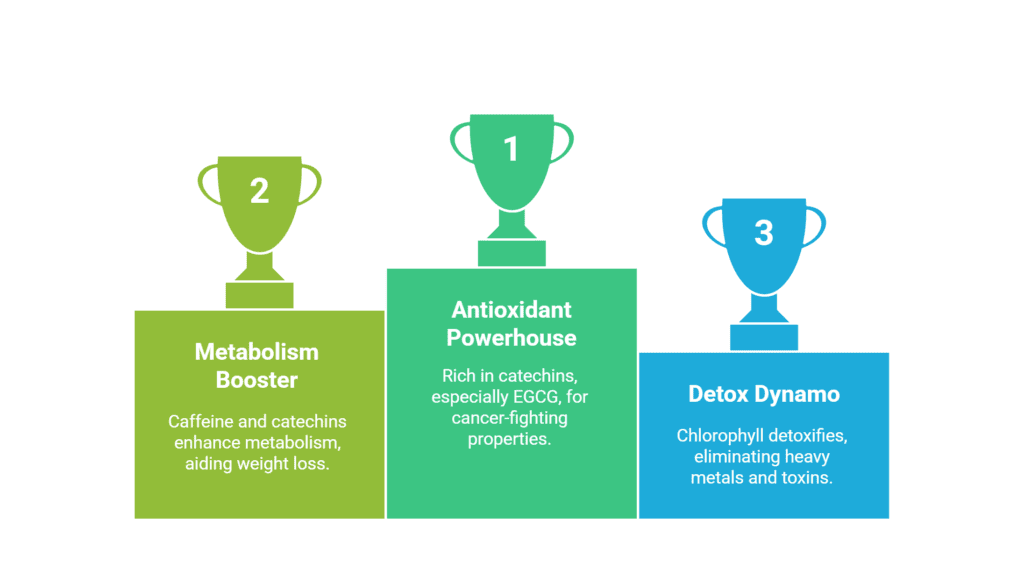
Matcha green tea is packed with catechins, a type of antioxidant that scavenges and neutralizes free radicals in the body. The most potent catechin in Matcha is epigallocatechin gallate (EGCG), known for its cancer-fighting properties.
The presence of caffeine in Matcha, coupled with its interaction with other compounds like catechins, contributes to a gentle metabolism boost. This, in turn, aids in fat oxidation, promoting weight loss and maintaining a healthy weight.
Chlorophyll, the green pigment responsible for Matcha’s color, is a powerful detoxifier. It aids in the elimination of heavy metals and harmful toxins from the body, promoting overall well-being.
L-theanine not only boosts alertness but also induces a state of relaxation. This calming effect can help reduce stress and anxiety levels, making Matcha an ideal choice for those seeking a moment of tranquility.
Matcha Green Tea has been shown to have positive effects on insulin sensitivity and blood sugar regulation. This can be beneficial for individuals managing or preventing type 2 diabetes.
Matcha tea is a nutritional powerhouse, containing vitamins A, C, and E, as well as minerals such as potassium and calcium. This makes it a nutrient-dense addition to one’s diet.
Disclaimer: It’s important to note that individual responses to Matcha may vary, and moderation is key. Always consult your dietician/doctor before incorporating any new supplements/consumables in your regular diet plan.
Any Side Effects of drinking Macha Green Tea?
Matcha tea is generally safe and very beneficial to consume, though drinking too much in a day could potentially have some side-effects on your body. Studies suggest that this is primarily due to matcha’s high caffeine content. Very high doses of matcha can be problematic and cause a runny tummy, headaches, an unstable bladder, irritability, and insomnia. As per my personal experience, we’d consume no more than 1-2 grams of matcha tea per day. Drinking matcha tea in moderation is the key to enjoying its health benefits without experiencing any side effects.
Benefits of drinking Matcha Green Tea – regularly

Matcha tea can be served hot or cold. Further, you can prepare smoothies as well as customize your drinks using matcha as per your likings.
Healthy Matcha Green Tea Recipe – Try it
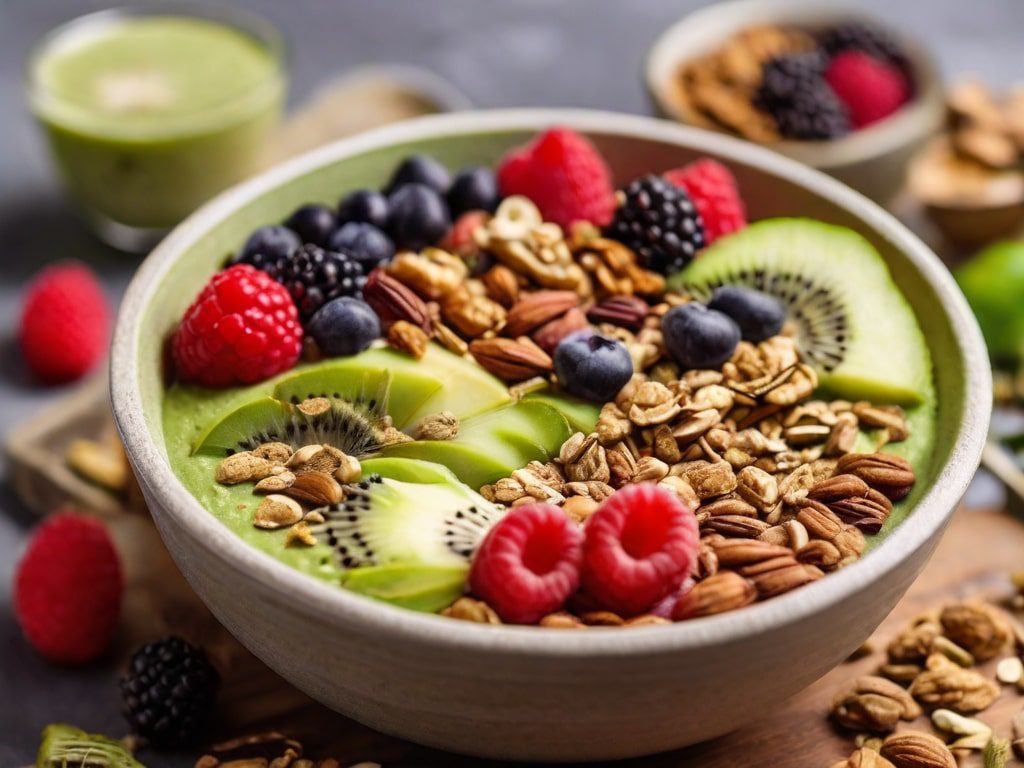
Matcha Green Smoothie Bowl:
Ingredients:
- 1 teaspoon Matcha powder (ceremonial grade for a smoother flavor)
- 1 frozen banana, sliced
- 1/2 cup frozen mango chunks
- 1/2 cup plain Greek yogurt (or a dairy-free alternative for a vegan version)
- 1/2 cup almond milk (adjust for desired thickness)
- 1 tablespoon chia seeds
- 1 tablespoon honey or maple syrup (optional, for sweetness)
- Toppings: Fresh berries, sliced kiwi, granola, nuts, and seeds
Instructions:
- Add the Matcha powder, frozen banana slices, frozen mango chunks, Greek yogurt, almond milk, chia seeds, and honey (if using) to a blender.
- Blend the ingredients until you achieve a smooth and creamy consistency. Adjust the thickness by adding more almond milk if needed.
- Pour the Matcha smoothie into a bowl, ensuring a smooth and even surface.
- This is where you can get creative! Top your Matcha smoothie bowl with a variety of fresh berries, sliced kiwi, granola, nuts, and seeds. The combination of textures and flavors adds depth to your bowl.
- For an extra touch of sweetness, drizzle a bit of honey or maple syrup on top.
Additional Tips:
- Experiment with different toppings based on your preferences and what’s available.
- Adjust the sweetness by adding more or less honey or choosing naturally sweet toppings.
- Feel free to customize the base by incorporating spinach or kale for an extra nutritional boost.
Elevate Your Matcha Tea Experience with Us!
Have you tried our delectable Matcha Smoothie recipe? We’d love to hear your thoughts! Your feedback is a key ingredient in our journey to craft the perfect blend of flavors.
Share Your “Matcha” Magic!
Have a unique Matcha recipe that’s your secret delight? We invite you to be a part of the Quintessify community! Head to our website, share your concoction, and let your Matcha masterpiece inspire others. Your recipe might even be featured on our platform!
Join us in celebrating the art of Matcha and the joy it brings to our cups! Cheers to delicious discoveries and a vibrant Matcha community!
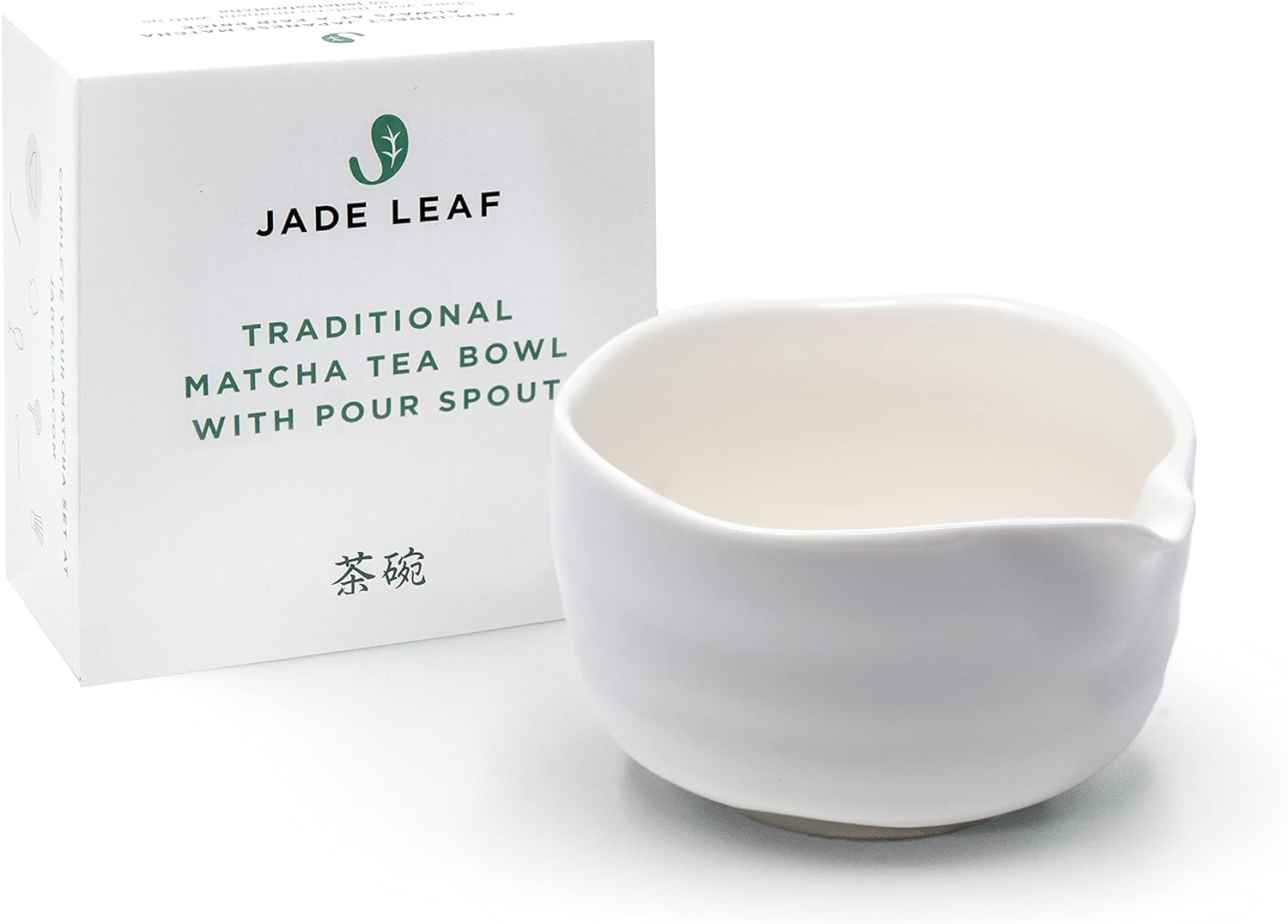
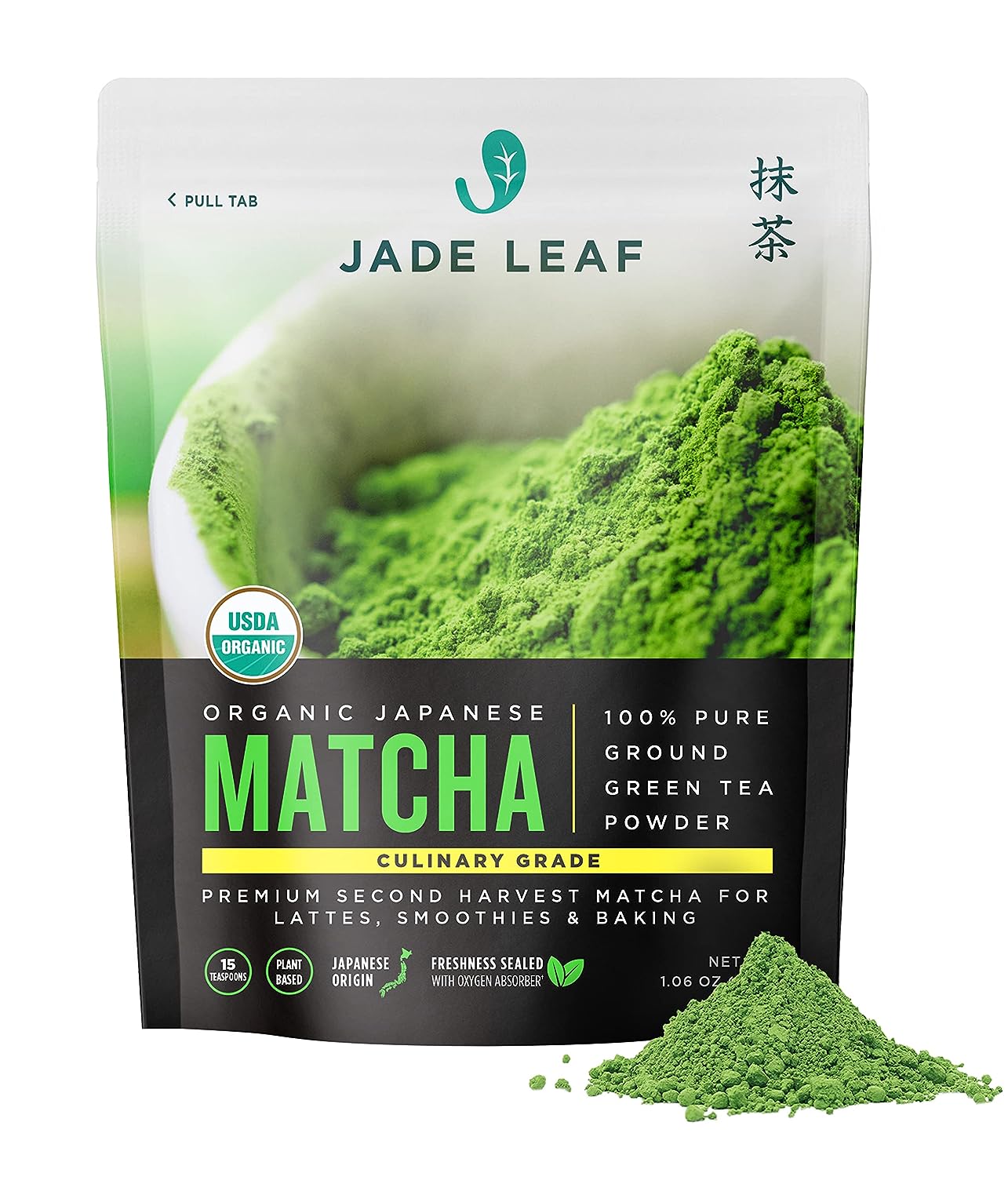
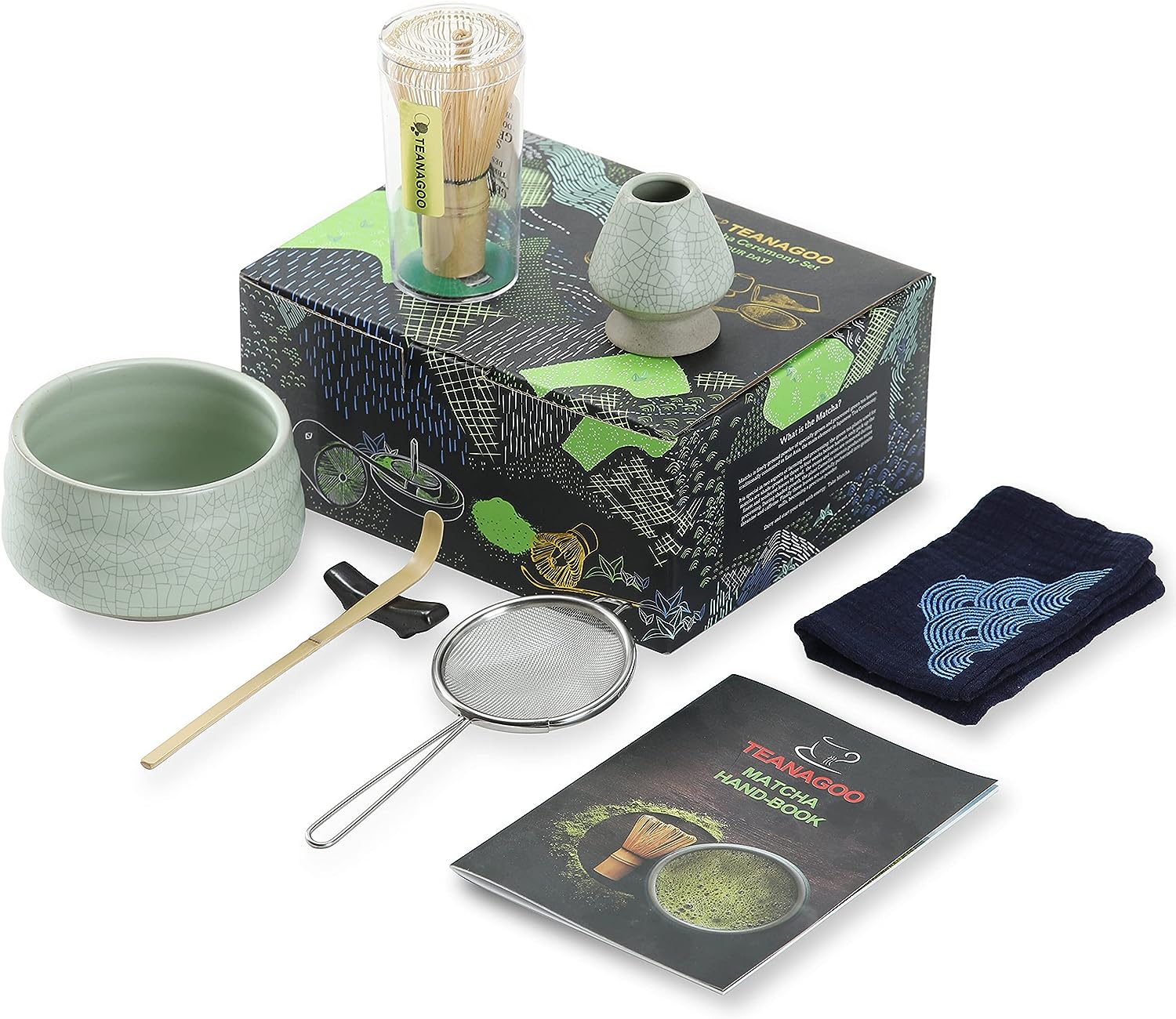
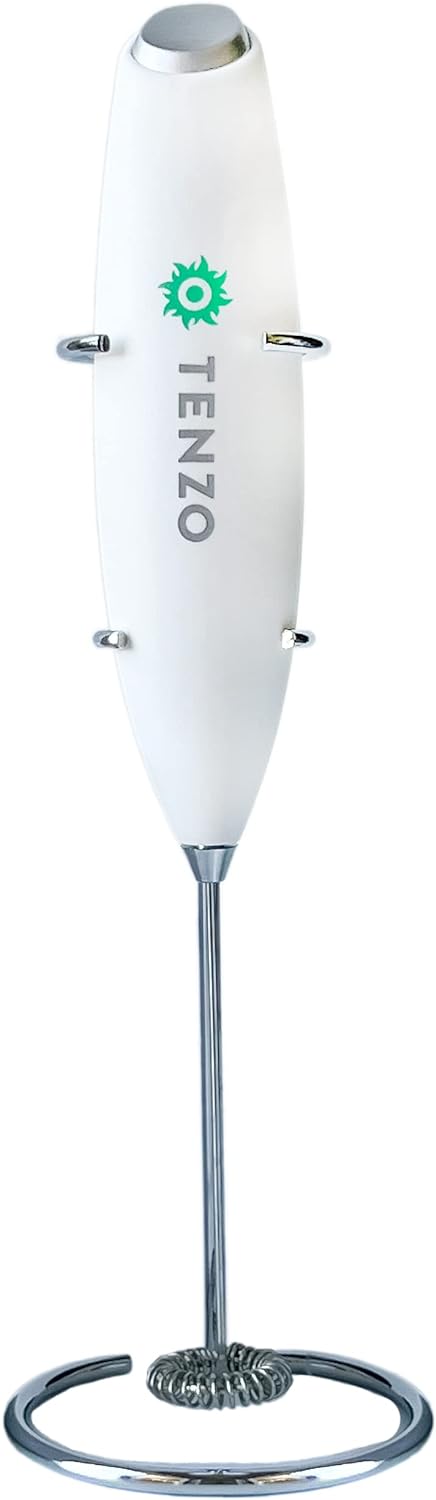
Matcha Green Tea – Things bought online

FAQs
Is Matcha also a Green Tea?
Yes, matcha tea is a type of green tea. However, it is distinct from traditional loose-leaf green tea in both its preparation and consumption. Matcha green tea is made from finely ground green tea leaves, grown and later processed in a special way to enrich the flavor and texture.
What is the best time to drink matcha green tea?
Early morning is the best time to drink any natural/ayurvedic supplement. However, many like to drink their cup of “matcha” in the evening. Further, studies have revealed that drinking matcha before your workout can enhance calorie burning. However, it is best to avoid having matcha too close to bedtime, as it could interfere with your sleep.
How many matcha tea cups can be consumed in one day?
According to multiple studies, it is recommended to consume no more than 1-2 grams of matcha tea per day. Very high doses of matcha can be problematic and cause a runny tummy, headaches, an unstable bladder, irritability, and insomnia.
Can I drink matcha tea on an empty stomach?
Drinking matcha tea on an empty stomach can help to improve focus, concentration, and cognitive performance. Matcha tea contains a unique combination of caffeine and L-theanine that work together to promote mental alertness. However, you should always consult your dietician before introducing supplements into your diet.
Are there any negative effects of drinking Matcha Green Tea?
Some individuals have developed signs of indigestion, nausea, stomach pain, and other digestive issues after they started consuming matcha tea on an empty stomach.
How much Caffeine content is available in one cup of matcha tea?
On average, one cup of matcha tea (~ 2 gms) contains 38-88 milligrams of caffeine. The caffeine content of matcha is higher than that of regular green tea, which contains 22-50 milligrams of caffeine per cup.
Does matcha tea contain antioxidants?
Matcha has 137 times more antioxidants than low-grade green teas and up to 3 times more antioxidants than the best green teas
What are the different types of consistencies for matcha tea?
1. Standard version—1 teaspoon of matcha powder in 59 mL of hot water;
2. Usucha (thin) version—half a teaspoon of matcha mixed with 89–118 mL of hot water; and
3. Koicha (thick) version—2 teaspoons of matcha in 30 mL of hot water.
Our Review Method
At Quintessify, our commitment to delivering accurate and reliable content is upheld through strict sourcing standards. We exclusively draw from peer-reviewed studies, academic research institutions, and reputable medical journals, avoiding tertiary references. Each article includes direct links to primary sources, and a comprehensive resources section is provided for transparency.
Leading this endeavor is Satnam Singh, a seasoned chemical engineer with expertise in organic chemistry and a background in the API and food industry. Quintessify brings specialized knowledge, industry insights, and in-depth analysis to enrich the content, even as we continue to build and refine our team. Our overarching goal is to provide trustworthy and informative content, and we thank our readers for their trust in Quintessify. View our Editorial Process to get conversant about our reviewing methods in detail.