Summary
Fresh roasted coffee beans are green beans transformed by heat to unlock aroma, flavor, and body, with roast levels (light to dark) determining acidity, sweetness, and strength; origin and processing influence taste, while proper storage and frequent small purchases preserve peak freshness; matching grind size to your brew method maximizes extraction, and both Arabica and Robusta offer distinct profiles, making bean choice and roast level key to a better cup every time.
Roasting coffee is a process that changes the chemical and physical properties of green coffee beans into what we know as “fresh roasted” coffee beans. The roasting process is what produces the characteristic flavor of coffee by causing the green coffee beans to change in taste. There are four major types of coffee roasts: Light roast, Medium roast, Medium-Dark roast, and Dark roast. Each of these roast levels has a different aroma, appearance, and flavor. The length of the roasting process can affect many things, including the acidity and flavor of your tasty roasted coffee beans.

Discover Coffee Varieties & Beans – Arabica, Robusta
There are more than 120 coffee varieties grown worldwide, but most coffee consumed today comes from four main bean types: Arabica, Robusta, Liberica, ……. Read the full article.
Light Roast Coffee
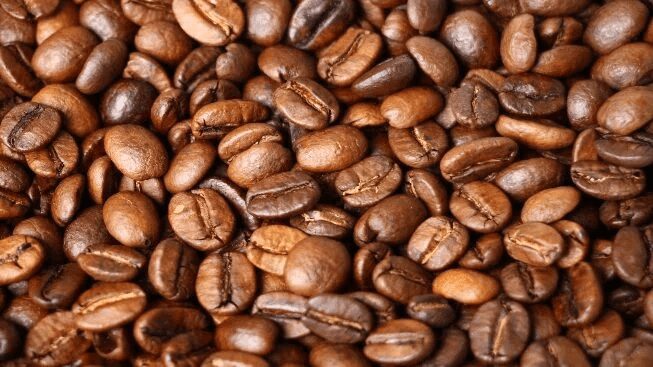
Light roasts are roasted for the least amount of time and tend not to have the oils on them because they haven’t been roasted at a high enough temperature (internal temperature between 356°F – 401°F, after the first crack appears).
The longer a bean is subject to roasting, the more caffeine and acidity are pulled out by the roasting process.
This means “light roasts” have the most caffeine, by volume, and the most acidity. Light roasts can have a different taste profile because the shortened roasting process prevents some chemical changes from occurring inside the bean. Origin flavors of the bean are more recognizable in light roasts since the flavors that come from the roasting process often aren’t prominent.
Some popular brands for light roasted coffee are:
- Gevalia Signature Blend,
- Nescafé light roast,
- Amazon Brand – Happy Belly Light Roast,
- McCafe Breakfast Blend.
Medium Roast Coffee
Medium-roasted coffee has a little bit more body than a light roast and less acidity. In the process of making “Medium Roasted Coffee”, beans are roasted to temperatures between 410°F and 428°F. The process concludes after the first crack but before the second
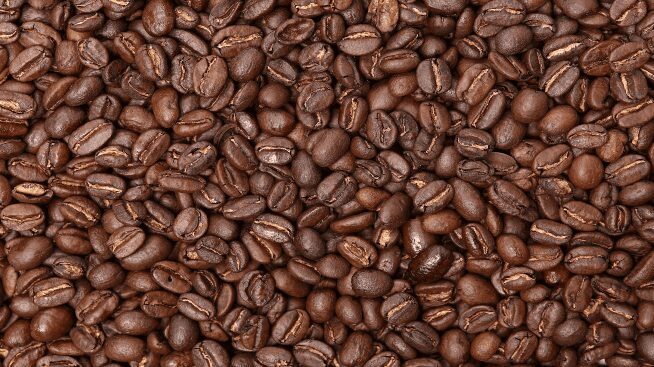
Medium roasts are what the average American coffee drinker is used to. These roasts are considered to have balanced flavors. The acidity and body of a medium roast can vary, but are usually somewhere in the middle, featuring a smoother taste. McCafe Premium Roast is a popular brand in this category.
Medium Dark Roast Coffee
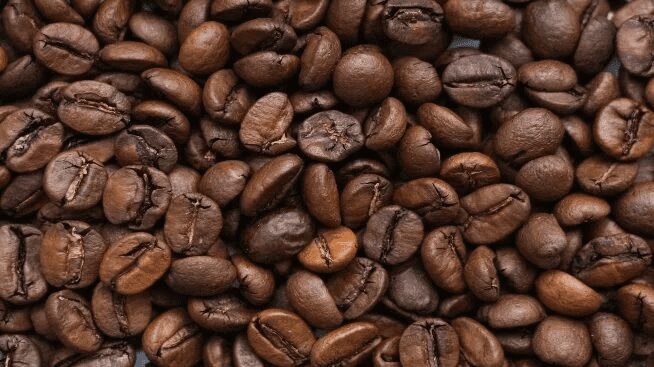
Medium-dark roast, internal temperature between 437°F and 446°F – terminating after the second crack, coffee beans have a richer, less acidic, more body, and fuller flavor. The Mentalist Whole Bean Coffee and Tim Hortons Colombian are some examples of a medium-dark roast coffee blend
Dark Roast Coffee Beans
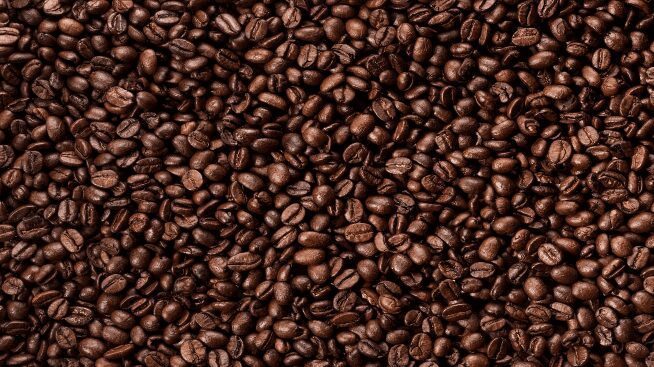
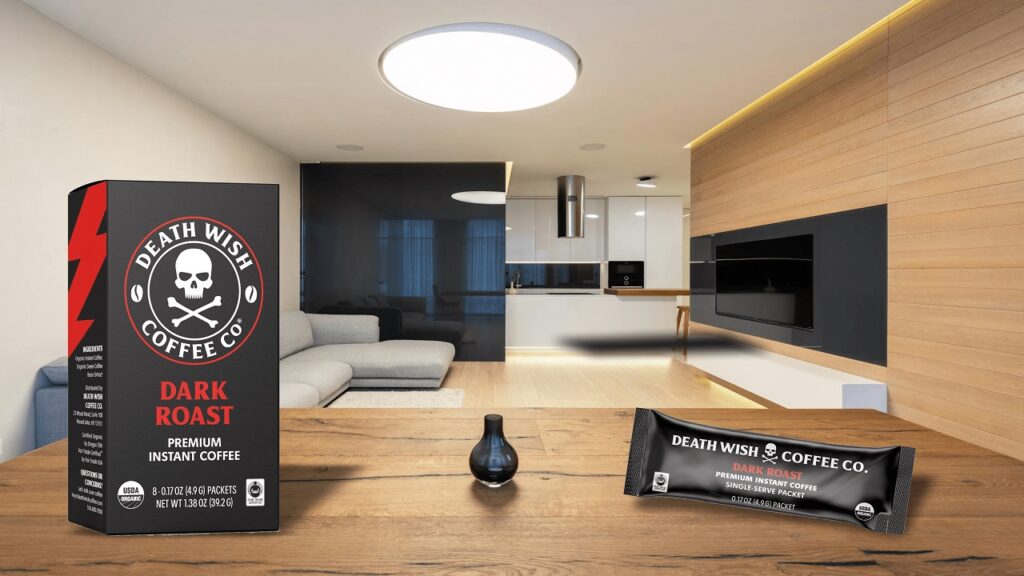
Dark roasts, temperatures between 464°F and 482°F, have noticeable oil on the surface of the bean and are roasted for the longest duration. They have a smoky, bitter taste and a heavy body. Peet’s Coffee, Starbucks Dark Roast, and Death Wish Coffee are some examples of dark roast coffee blends
How Much Caffeine In Cup Of Death Wish Coffee?
Death Wish Coffee is famous for being one of the world’s strongest coffees, with around 728 milligrams of caffeine in a single cup of coffee….. Read the full article.
History of Roasted Coffee……
The coffee saga unfolds in the 15th century, tracing its roots to modern-day Yemen. Here, coffee beans took their first journey through the roasting and brewing process, setting the stage for the delightful cup we know today. Back then, in the Ottoman Empire and Greater Persia, inventive minds crafted thin, circular pans—often metal or porcelain.

These were equipped with long handles and held over hot coals in a brazier, allowing the slender spoon to stir a small batch of beans until perfectly roasted.
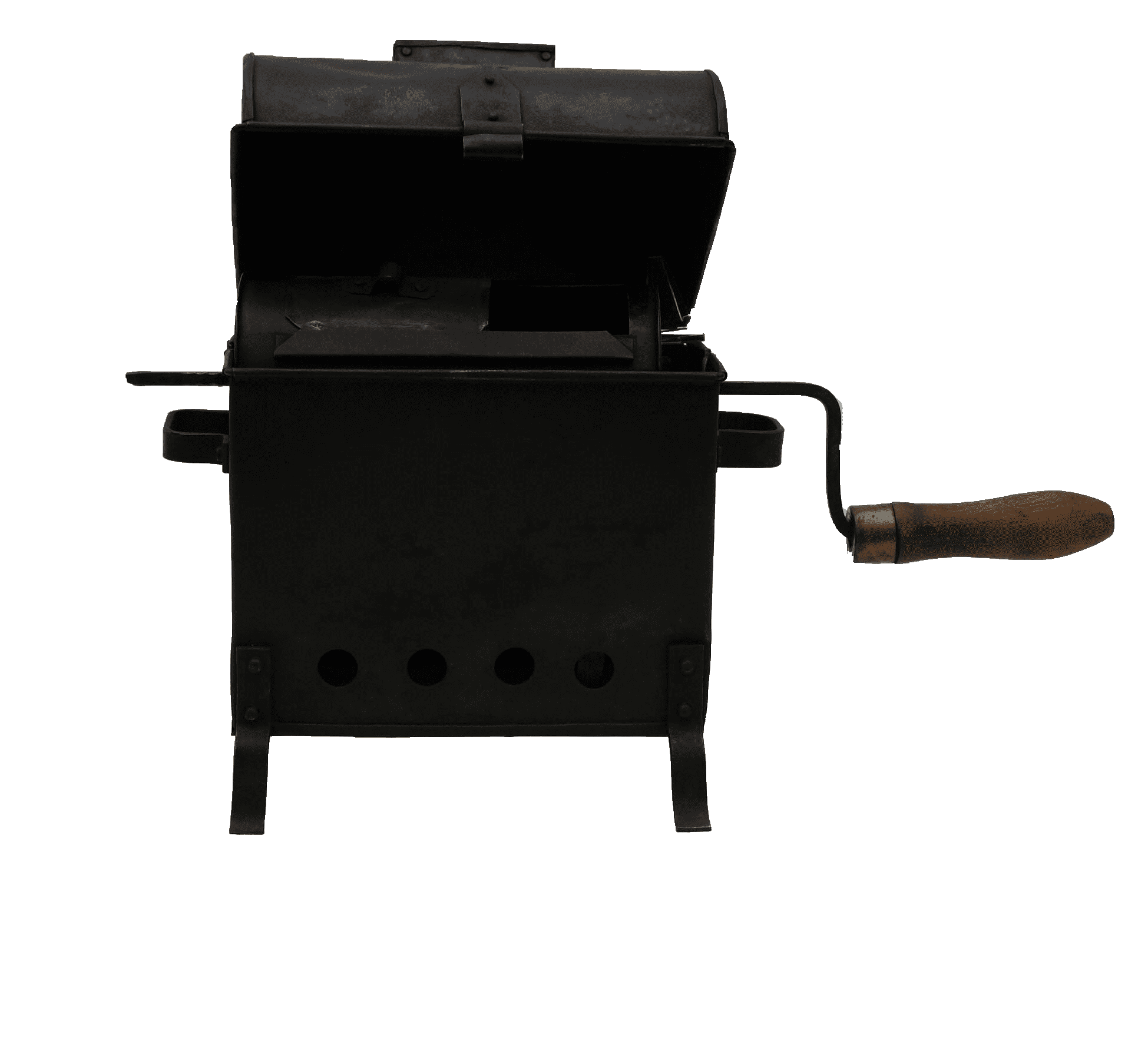
The coffee roasting evolution took a turn in 1650 in Cairo, where the first cylinder roaster emerged. This ingenious design featured a crank to keep the beans in constant motion.
Crafted from materials like tinned copper or cast iron, it found its place over braziers and open fires. Soon, variations of this roaster spread like wildfire across France, the Netherlands, Italy, and beyond, capturing the coffee-loving hearts of Europe and the American colonies.
As the 19th century dawned, coffee roasting innovation received a boost with various patents for commercial roasters in the U.S. and Europe. This paved the way for large batches of coffee, yet the charm of home roasting persisted. A St. Louis resident working in a commercial roasting plant in the 1850s noted the uphill battle of selling roasted coffee, as many continued to roast their beans in kitchen ovens.
At present, coffee roasting has become an art form, demanding both patience and meticulous attention to detail. It’s a process that transcends borders, uniting coffee enthusiasts worldwide in the joyous appreciation of this aromatic and flavorful journey.
Which roasted Coffee Variety is the Best?
Asking for the best coffee variety is a subjective question, as different individuals have personal preferences. There are several types of coffee with different flavors, aromas, acidities, and bodies. Some famous kinds of coffee include Arabica, Robusta, Bourbon, Typica, and Geisha, among others.
In general terms, Arabica is considered a higher-quality coffee type than Robusta due to its smoother flavor and less caffeine content. But some people like the stronger, bitter taste found in Robusta coffee.
Moreover, the origin where the coffee was grown, processing, its initial roasting levels, and brewing methods are all important things to consider when choosing the best in a cup.
Frequently Asked Questions
What does “fresh roasted coffee beans” mean?
Fresh roasted coffee beans are green coffee beans that have been heated and transformed into brown beans with a strong aroma and flavor. The roasting process brings out taste compounds you brew in coffee. “Fresh” refers to beans used soon after roasting for the best cup.
Fresh beans have more volatile oils and aromatic compounds that give coffee a richer taste, brighter flavor, and fuller body. Older beans lose these qualities over time, resulting in a duller cup with less complexity in aroma and taste.
It’s best to buy fresh roasted coffee beans every two weeks so you can enjoy them before they lose flavor. Beans slowly lose their aromatic qualities and richness with age, so smaller, more frequent purchases help preserve the best taste.
Yes, you can roast coffee beans at home with a home roaster. This lets you experiment with flavors and roast levels. Start with green beans, choose your roast time, and cool the beans quickly to stop the roast when you like the taste.
The best grind size depends on the brew method. A medium grind works well for drip coffee, while coarser grounds suit a French press. Adjusting grind size helps control extraction and taste.
Roast level doesn’t greatly change caffeine content in freshly roasted beans. Light roasts retain origin flavors and acidity, while darker roasts taste heavier. Slight differences in caffeine concentration may occur, but the change is not large.
Store fresh roasted beans in an airtight container in a cool, dark place. Avoid exposure to air, sunlight, and heat, which degrade flavor and aroma over time. Keeping beans sealed slows down staling.
Yes, many roasters offer decaffeinated versions of fresh roasted beans. These beans are roasted like regular ones but have most of the caffeine removed, so you can enjoy a rich coffee flavor without the caffeine kick.
Fresh roasted beans often taste best when used within weeks of roasting. This time frame lets the gases from roasting settle while keeping flavor compounds strong. Brew within this window for a balanced, aromatic cup.
Roast level shapes taste: light roasts are brighter and more acidic, medium roasts are balanced, and dark roasts are heavier with smoky notes. Different roast levels highlight various flavor profiles from the same beans.
Conclusion
Fresh Roasted Coffee Beans are not just a beverage; they are a journey into the artistry of flavor. From the roasting process to brewing techniques, every step contributes to the symphony of tastes and aromas. Elevate your coffee experience by embracing the world of freshly roasted beans. Embark on this flavorful adventure, and let each cup be a celebration of perfection.

Satnam Sadeora
Lifestyle Product Researcher & Curator
Satnam Sadeora is the founder of Quintessify.com, where he explores and reviews everyday lifestyle essentials, including coffee, fragrances, car accessories, and carefully selected health-related products.
He focuses on clear comparisons, thoughtful research, and honest insights to help readers choose products that fit their preferences and budget.